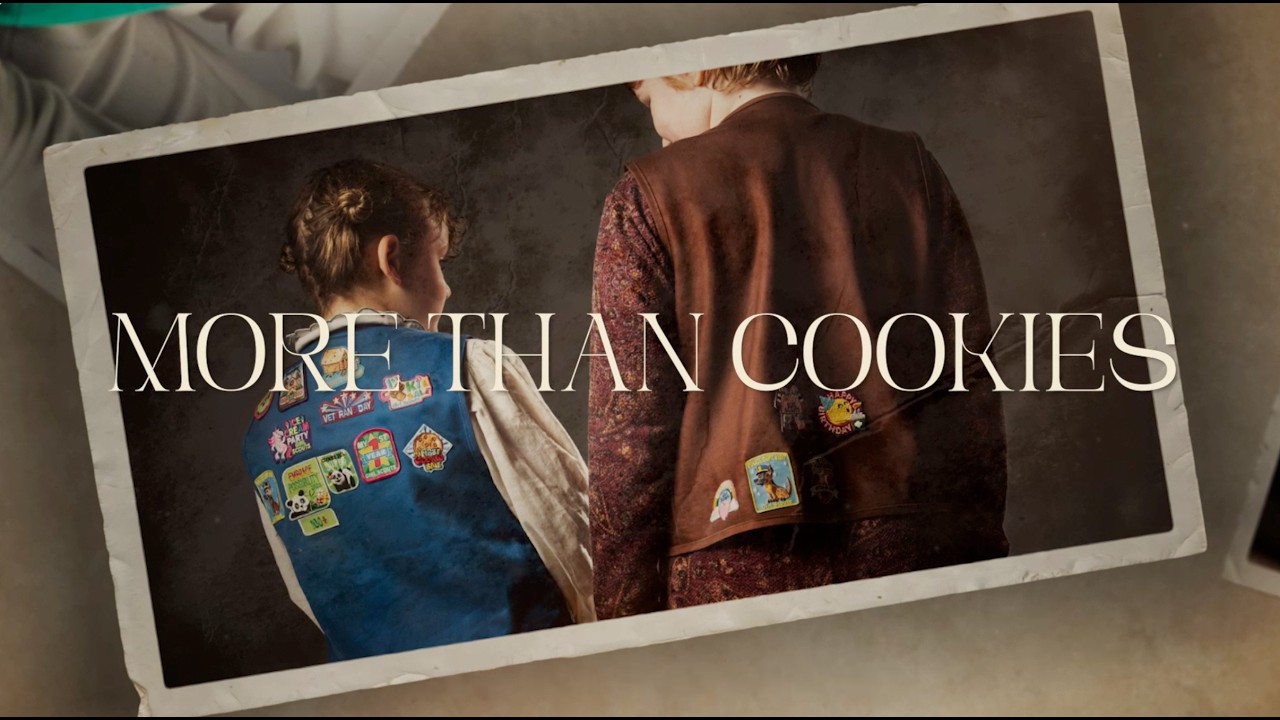
More than Cookies
This video premiered at the 2026 New Moon Fest. It spotlights the girls behind the Nantucket Girl Scouts troop.
Click Here to Watch


A short film festival that celebrates female filmmakers.
Join us at NEW Moon Fest on Memorial Weekend for Nantucket’s one-night international short film festival celebrating women storytellers and filmmakers. Through acclaimed thought-provoking films, cocktails, conversation and community, we gather to honor the voices that shape a brighter future.
Submissions for New Moon 2027 are now open! The submission rules and conditions are on this webpage. To submit, please click this button: 
NEW Moon Fest — Nantucket Empowering Women
NEW Moon Fest was born from a moment of uncertainty, inspired by a community’s determination not to let something meaningful disappear.
For thirteen years, Nantucket’s LUNAFEST screening was more than a film festival. It was a cherished rite of spring, bringing the community together to celebrate women’s stories, creativity, courage, and resilience. Each Memorial Day weekend, audiences converged in joy and camaraderie at the historic Siasconset Casino to reconnect after the long island winter and to experience the power of films created by and about women, films honoring the feminine spirit and its resilience.
When LUNAFEST1 announced a national pause in 2023 after more than two decades, Nantucket faced the possibility of losing one of its most beloved annual traditions. Yet what might have been an ending instead became an invitation: an opportunity to imagine something new while honoring all that had come before.
Recognizing both the loss and the possibility, Nantucket Community Television (then) Executive Director, Lisa Getter, reached out to Lisa Soeder (the woman who introduced LUNAFEST to Nantucket in 2010 as a Theatre Workshop fund/friend-raiser) to partner with her in the creation of a female-centric shorts festival. And, in the tradition of the strong resourceful women who have shaped Nantucket throughout its history, the two pivoted and chose not simply to preserve the festival’s legacy but to build upon it. NCTV hired the talented Stephanie Serra as the event’s Program Director for the start-up, and hit the ground running.
The result was NEW (an acronym for Nantucket Empowering Women) Moon Fest: an original Nantucket-based international short film festival whose name reflects its core mission.
Like the new moon itself, every beginning emerges from darkness. Though unseen, the moon’s gravitational pull remains powerful. NEW Moon Fest embraces that same truth, celebrating the profound influence of women’s voices, stories, and leadership, whether visible on the world’s stage or quietly transforming lives every day.
Today, with Getter and Soeder at the helm as co-founders and co-chairs, and a host committee to curate, NEW Moon Fest combines independently curated international short films with the warmth, camaraderie, and community spirit that made Nantucket’s LUNAFEST so beloved. Each Memorial Day Weekend, more than 350 people gather on the eastern shores of Nantucket at the iconic Siasconset Casino to celebrate storytelling, connection, and the enduring power of women’s experiences.
Since its founding in 2024, NEW Moon Fest has raised funds for Nantucket Community Television, supporting programming that engages, entertains, educates, and connects the island community, and for A Safe Place, whose mission is to support and empower individuals affected by domestic violence, sexual violence, and abuse.
LUNAFEST in Nantucket — Its History and Evolution
LUNAFEST Under Theatre Workshop of Nantucket
The origins of NEW Moon Fest reach back to 2010, when Lisa Soeder, then Chair of Theatre Workshop of Nantucket’s Development Committee, attended a LUNAFEST screening in Florida and immediately recognized its potential to resonate with Nantucket audiences.
The first Nantucket event, hosted by the Theatre Workshop of Nantucket, with the strong support of TWN’s then Executive Director, Gabrielle Gould, was held at the Green Barn at Westmoor. Two screenings were planned for seventy-five guests each. Not a single ticket had been sold in advance. As attendees arrived and filled both screenings, Soeder welcomed them, jokingly confessing she had feared that she had planned a festival no one would attend.
The concern was short-lived.
What began as a modest friend/fundraiser quickly became one of Nantucket’s most anticipated annual events. The festival found its permanent home at the historic Siasconset Casino, where attendance grew year after year, resulting in early sell-outs and oversold events. Under Soeder’s leadership from 2010 through 2017, even with modest ticket costs starting at $25 and growing to $40 during this period, Nantucket’s LUNAFEST became the highest-performing fundraiser in the national LUNAFEST network while simultaneously supporting Theatre Workshop of Nantucket and the Breast Cancer Fund.
The partnership felt almost destined. The moon, a symbol prominent in the logos of both LUNAFEST and Theatre Workshop, served as a fitting emblem for an event devoted to illuminating stories that often deserve greater visibility.
In 2018, after Soeder stepped down as event chair, Theatre Workshop shifted its fundraising focus toward its own productions, cabarets, and an annual gala.
LUNAFEST Under Nantucket Community Television
Recognizing that a film festival naturally aligned with a film organization, Getter and Arlene O’Reilly, then Marketing Director, approached Soeder about transferring the event to Nantucket Community Television. Theatre Workshop was amenable, and the smooth transition ensured that the beloved festival would continue under the tutelage of a new organizational home uniquely suited to its cinematic mission.
But despite the easy transition, the start was rough and NCTV shepherded the festival through extraordinary challenges. During the pandemic, LUNAFEST’s 2021 screening moved to the Nantucket Dreamland Theatre, where audiences participated both in person (separated by seats per COVID protocols) and remotely. The festival returned to the Siasconset Casino for 2022 and 2023, maintaining its place in the community even during uncertain times. Then, when the national LUNAFEST program ceased operations, Nantucket once again adapted.
Rather than allowing a treasured tradition to disappear, Getter and Soeder reimagined it. And NEW Moon Fest emerged not as a replacement, but as an evolution: a festival deeply inspired by LUNAFEST’s legacy while charting its own course with independent curation, an international perspective, and a distinctly Nantucket identity. Nantucket welcomed this iteration with open arms and hearts.
The Spirit of NEW Moon Fest
Rooted in Nantucket’s elemental beauty and shaped by generations of pioneering women, NEW Moon Fest celebrates creativity, resilience, intuition, and transformation.
Inspired by the Wild Woman archetype, the festival honors the voice within every woman that trusts her own wisdom and embraces possibility. It celebrates authenticity over expectation, imagination over limitation, and community over isolation. Strong ties to Mother Earth ground the festival in connection—to our bodies, to one another, and to the natural cycles of renewal and transformation.
The natural rhythms of the moon provide both symbol and guide. Just as the lunar cycle continually renews itself, women’s empowerment is not a single achievement but rather a cycle of beginnings — chosen, repeated, shared. Because our strength and our resilience lie in our collective power to begin again and again, on our own terms, in community with others. It is found in the courage to start anew, the strength to persevere through change, and the willingness to support one another along the way.
At its heart, NEW Moon Fest believes that women’s stories matter in all their richness and complexity. Through bold filmmaking and shared discovery, the festival creates space for stories of resilience and vulnerability, belonging and becoming, for transformation, quiet influence and unmistakable strength.
Like the new moon itself, these stories remind us that what is not yet visible can still hold extraordinary power.
Launched in 2001, LUNAFEST was designed as a traveling short-film festival with a mission to champion women filmmakers, amplify underrepresented voices, and raise money for nonprofit organizations. Its screenings brought communities together through films by and about women, until its corporate parent was acquired in 2023 and thereafter Luna ceased curating and sharing short films. But for the majority of its life-span, LUNAFEST curated a slate of films annually for distribution to hosting charities in consideration of a donation to The Breast Cancer Fund of 15% of net proceeds raised at host community events. In its last years, LUNAFEST shifted from the percentage donation to The Breast Cancer Fund to a $350 donation benefitting Chicken & Egg Pictures which champions women and gender-expansive documentary filmmakers around the globe with funding, mentorship, and access so they can tell stories that ignite change. During its tenure, LUNAFEST showcased more than 175 filmmakers and raised more than $7 million for nonprofits.
To submit your film, click this button:
More than a film festival, NEW Moon Fest is a celebration of women supporting women through shared stories, meaningful connection, and collective inspiration.
We invite filmmakers from around the world to submit short films by and about women that illuminate, challenge, delight, and inspire. We welcome dramas, comedies, documentaries, animations and experimental works that reflect the richness and complexity of women’s experiences. Stories of resilience and vulnerability, belonging and transformation, courage and creativity all have a place here.
In honor of the Wild Woman archetype, films that depict strong, intuitive and persevering women characters qualify for NEW Moon Fest.
FINALISTS
If a submission is accepted as a finalist by NEW Moon Fest, the finalist agrees to the following and grants to NEW Moon Fest, without reservation, condition, or qualification, the right to:

The Grey Lady Award is determined by the New Moon Fest audience. They vote on their favorite film and the winner earns this award. The Wild Woman Award is given by the New Moon Fest Selection Committee to the film that embodies the free feminine spirit.

The Grey Lady Award is determined by the New Moon Fest audience. They vote on their favorite film and the winner earns this award. The Wild Woman Award is given by the New Moon Fest Selection Committee to the film that embodies the free feminine spirit.

The Grey Lady Award is determined by the New Moon Fest audience. They vote on their favorite film and the winner earns this award. The Wild Woman Award is given by the New Moon Fest Selection Committee to the film that embodies the free feminine spirit.
LUNAFEST was a travelling festival of short films by women, and New Moon Fest grew out of the years Nantucket hosted it. The films it selected from 2009-10 onward are below. Click Description beside a film to read it.

Larissa, a trans woman and Cláudio, a cis man, meet one night, in the streets of Lisbon. Two people, two realities, who dance their differences away till morning light. In challenge, in surprise, in awe and in recognition. An empowering story, free from violence and filled with light and hope for the better days yet to come.
Writer: Ary ZaraDirector: Ary ZaraProducers: Andreia Nunes, Frederico SerraDirector of Photography: Leandro FerrãoEditor: Sara MarquesArtistic Direction: Carina CasparSound: Cyril SantosMusic: XinobiStarring: Gaya de Medeiros and Ivo Canelas

After a deadly virus hits New York City, two young survivors take refuge on a roof. In efforts to fill the voids of all they’ve lost, the characters work together to complete a list of things they want to do before they die. The story begs the question: When society shatters and tomorrow is no longer guaranteed, what are you left with?
Writer: Audrey Lane and Lizzy WaltherDirector: Kate diRienziProducer: Avery Looser, Blessid UgedegbeDirector of Photography: Cece ChanProduction Designer: Jacqueline BrockelStarring: Audrey Lane and Lizzy Walther

After losing her job, a flailing millennial is forced to move back into her childhood bedroom and navigate life with her dysfunctional parents. Determined to take on a lover, she re-connects with a middle school crush.
“Boomerang is my love letter to anyone who endured the lockdown with their family. It’s a timely and relatable tale about an entire generation of millennials who were forced to move home and suffered arrested development. At its core, Boomerang is about complicated family relationships and how deeply funny life can be in its most serious moments. The medium of film grants the ability to tell stories that help us connect and process what we’ve all been through, and I wanted to use comedy to do that.” – Rylee Jean Ebsen, Director of BOOMERANG
Writers: Rylee Jean Ebsen, Sydney SteinbergDirector: Rylee Jean EbsenProducers: Rylee Jean Ebsen, Katie WhiteExecutive Producers: Augusta King, Elizabeth Sehn & Tim SehnStarring: Sydney Steinberg, Marin Hinkle, Phil Abrams, Noah Findling, Kaitlyn Tanimoto

Portrait of Marie-Lise Chouinard, this radiant woman imbued with contagious liveliness. An intimate encounter with Marie-Lise through a wishlist of activities of her own. Cherry is the epitome of resilience, friendship and hope.
“Meeting Marie-Lise is a pledge to laugh out loud, to listen with the greatest and gentlest attention and to nourish serenity in all circumstances.” – Laurence Gagné-Frégeau, Director of CHERRY
Writer: Laurence Gagné-FrégeauDirector: Laurence Gagné-FrégeauEditor: Laurence Gagné-FrégeauMusic: Marie-Lise Chouinard & Christian David

Lili, a feisty 10-year-old girl, has always swam topless. When her parents force her to wear a bikini top for a trip to the water park, she rebels: why should she hide her flat chest when her friends, all boys, don’t have to?
“It was during a hot summer day, at the age of 7, that I dared for the first and only time to swim topless with my friends. I never did it again, too embarrassed to behave like a “boy”. It is the memory of this torment faced with this benign desire to bathe my chest in the air which is at the origin of this film. How absurd to feel society’s discomfort with the female body at such a young age! An ode to the enthusiasm of youth and to girls who are not afraid, Death to the Bikini! thus carries a demanding, universal message and, through coming-of-age, presents young girls with a model with whom they can identify.” – Justine Gauthier, Director of DEATH TO THE BIKINI!
Writer: Justine GauthierDirector: Justine GauthierProducer: Léonie HurtubiseDirector of Photography: Gabrielle BergeronEditor: Marie-Pier GrignonArtistic Director: Yola van LeeuwenkampSound: Jacob Marcouz, Ilyaa Ghafouri, Joey SimasMusic: Viviane Audet & Robin-Joël CoolStarring: Mia Garnier, Etienne Cardin, Aksel Leblanc, Olivier Leblanc, Johnnovan Jobin, Eve Pressault, and Eric Robidoux

When an act of liberation is seen as criminal, 12-year-old Monica is forced to stand trial for her summer camp misdeeds.
Writer: Marissa RubenDirector: Marissa RubenProducer: Avery LooserDirector of Photography: Avery LooserProduction Designer: Madison CalicchiaStarring: Marissa Ruben, Kelsey Stalter, Brock Looser, Ariana Papaleo, Arielle Beth Klein, and Alia Cuadros-Contreras

Flipping the “Essex Girls” trope, this coming-of-age film explores Black British girlhood and magical female friendships in 2009 Essex. Navigating adolescence in Benfleet, Essex hasn’t been straightforward for British-Nigerian Bisola. After an incident at her high school shunts her into the orbit of the only other Black girl in her year, Bisola is plunged into a journey of discovering a whole new side of herself.
“This film aims to give girls like me, who have grown up in environments where hardly anyone else looks like them, the opportunity to see their experiences reflected on screen. In writing and performing the role of Bisola, I channeled my specific experience into something more universal. What is it like to be a Black girl in an almost completely white space? Does it make it harder for you to accept yourself? What effect does this have on you? And most importantly, to what extent will you go to, in order to survive and be completely happy in your natural born skin? In this short film we explore themes of identity, race, friendship, and representation. We bear witness to the catalyst that propels Bisola on a journey of gaining new-found confidence and self acceptance. We shine a light on a story that resonates with many but has been neglected and left untold.” – Busayo Ige, Writer of ESSEX GIRLS
“Coming-of-age tales centering experiences of Black, teen, female protagonists are scarce. Why do we mainly see coming-of-age films for young girls when they’re white? Why are Black female protagonists never afforded the same juvenile mistakes on their journeys of self-discovery? And if we do see these stories, why are they almost always rooted in trauma or social issues that insist these Black girls mature beyond their years? We want to be the corrective to that.” – Yero Timi-Biu, Director of ESSEX GIRLS
Writer: Busayo IgeDirector: Yero Timi-BiuProducers: Angela Moneke, Simon HattonDirector of Photography: Nathalie PittersProduction Designer: Phoebe PlatmanCostume Designer: Cynthia Lawrence-JohnHair/Make-Up Designer: Bianca Simone ScottCasting Director: Hannah Marie WilliamsEditor: Galina ChakarovaStarring: Busayo Ige, Corinna Brown, Adrianna Bertola, Krysstina Frempong, Rebecca Dike, Craig Webb, Bruno Cryan, Charlie Baker, Dan Gaisford, Daniel Adeosun, with Tomi Egbowon-Ogunjobi, and Maisie Smith

Caterina has created a routine that allows her to leave each morning looking impeccable and stylishly put together. But not everything can be controlled. Much less the little secrets.
Writer: Mercedes ArturoDirector: Mercedes ArturoExecutive Producer: Gisela PelaezDirector of Photography: Tamara ZukiermanEditor: Clara WetzelOriginal Score: Cecilia AssaliniStarring: Mariana Gagliano

Doxia knows that feeling safe and supported, especially by friends and family, is important for everyone’s future. Her hope is that all girls everywhere can feel safe, too.
Doxia Barber lives on Nantucket with her family and has four siblings. She’s currently in 6th grade. While she enjoys making all types of movies and loves to write, direct, and act in them, she finds stop motion films particularly satisfying as they incorporate her love of drawing.
Writer: Doxia BarberDirector: Doxia BarberProducer: Doxia Barber

Soraya is the story of one of thousands of Iranian women who decide to have an intentional abortion out of fear of family prejudices, but due to this surgery being illegal in Iran, Soraya is forced to leave her country secretly with the help of smugglers.
“At the beginning of the protests, I had to travel to Iran. It was in those same days that I received a proposal to make a short film. I decided to depict the problems and demands of Iranian women.” – Maryam Rahimi, Director of SORAYA
Writer: Maryam RahimiDirector: Maryam RahimiProducer: Seyed Amir Parvin HosseiniDirector of Photography: Behnam SoleymaniEditor: Siavash KordjanComposer: Kamyar BehbahaniStarring: Oranous Ghavami, Elnaz Habibi, Sheyda Pahlevan, Parsa Mazinani, and Reza Mohebi

As numbers of women and girls in federal, state, and local facilities continue to skyrocket, “The Girl Inside,” a new documentary by 1 Girl Revolution, features a behind-the-walls look into Cook County Jail and a life-changing academic course “Storytelling as a Healing Art” taught to incarcerated women.
“The Girl Inside” starts with a performance by Dr. Laura Biagi for her students about the power of every person’s voice and then leads her students through a series of storytelling exercises and vocal warmups. The culmination of the one day course and the documentary is when Dr. Biagi gives her students a writing prompt, “I am your voice and this is what I want you to know…”
“There are so many issues in the world because people are not able to be heard. Our voices are our revolution and we must look for opportunities to speak up for those who are forgotten and to raise other voices that often go unheard - and above all, we need to listen. We truly have the power to change the world through our lives and the world would look so different if we each truly believed that.” – Dr. Laura Biagi, professor of “Storytelling as a Healing Art”
“1 Girl Revolution is focused on telling stories that often go unheard. There is a clear need to examine the lives of women in jail and prison, but they are too often overlooked. What is also rarely talked about is the power of education - even just one class has been shown to lower recidivism rates by upwards of 43%.” – Kate Bryan, founder of 1 Girl Revolution and “The Girl Inside” curator

A woman struggles to cope with her mantle as a mother while questioning the pressure placed on the individual by societal, religious, and governmental expectations and prejudices. Wild Woman is an animated poem to mankind which invokes current world issues such as drone-strikes and religious persecution in a plea for empathy. Scenes transform and melt as the animator also explores her personal struggle of becoming a mother and identifying as such in our current social and political climate.
“Wild Woman began as a concept where I was truly hoping to get in touch with the deeper, feminine aspects of myself. I wanted to embody femme through my drawings. What began as sensuality transformed into maternity, along with my own life path. As I worked on the film back in 2012, I became pregnant with my first child. I was terrified- a wholly new adventure that I had no experience in, and initially no desire to pursue. I struggled to complete the film, and by 2013 I was an exhausted new mother feeling all the pressure of societal perception, struggling to maintain my own identity. It was around this time that I also became more aware of the greater scope and scale of the global proceedings around me.
Thus, this film embodies a plea for empathy and compassion. It results from my encounters with misogyny, oppression, repression, the agoraphobic and the xenophobia in this world. It is a battle cry against all the hatred. The purity of new life, the change and evolutions I was experiencing in myself, mind and body, are all infused in each transforming frame and every poetic verse.” – Vanessa Sweet, Director of WILD WOMAN
Writer: Vanessa SweetDirector: Vanessa SweetAnimator: Vanessa SweetAssistant Art Director: Nicholas Sweet

After experiencing a traumatic event on her school bus, Aleena bottles up her anger until a chance connection triggers a small act of rebellion.
I've always had this image in my head of a group of students building a barricade. After reading an OFSTED report where sexual harassment in schools was described as “a routine part of everyday life,” I realized that this image belonged at the end of this story.
Every woman I know has experienced this—an incident in the playground, workplace, or at a bus stop that was brushed aside as a joke, no big deal, or simply "boys being boys." A passing moment, quickly labeled unremarkable, takes deep roots and causes serious damage.
After being assaulted by Will on the school bus, Aleena can't escape the micro-moments of misogyny embedded into everyday school life. For Aleena, this environment becomes more and more suffocating—until it's disrupted by a moment of unrestrained friendship.
Our aim with Barricade was to make a film that immerses audiences in the feelings teenage girls experience on an average school day: the insecurity, rage, euphoria, blood, sweat, and tears. To ask—what happens when all these feelings can no longer be contained? Where do they go when an institution repeatedly fails to provide a space or outlet for them? By ending the story with a moment of intense catharsis, I hope audiences will consider why this is such a rarity for survivors and victims. — Alice Johannessen
Written & Directed by: Alice JohannessenProducer: Molly YoungDirector of Photography: Ash ConnaughtonEditor: Dave JonesProduction Designer: Katie BonehillCostume Designer: Ella JudySound Design: Justin DolbyOriginal Music by: Joel NicellExecutive Producer (BFI Network): Natasha Wilson

Set in the 1970s, the film centers on two young girls who struggle with their mother's bipolar disorder, which constantly disrupts their lives and forces them to grow up too soon.
We've always wanted to make a film that stems from our personal experience of growing up with a bipolar mother. While the details were changed, we were the little girls who sometimes longed for normality, and we were afraid of what might await us at home after school.
Mental illnesses often go ignored by society, and people who suffer from them are excluded from their communities. We believe it is important to raise awareness of the issue, because these illnesses affect more than just the person who is sick. This film is told from the point of view of the children—especially the older daughter—to convey the effect on their lives.
Forget Me Not is, above all, the call of a child who needs her mother, no matter how imperfect she may be. — Florine Nüesch & Kim Nüesch
Directors & Writers: Florine & Kim NüeschProducer: Malcolm DuncanCinematographer: Marz MillerProduction Designer: Miranda LorenzOriginal Music: Stephen RennicksEditor: Addie LiangCasting Director: Alyssa CarterSound Designer: Bruce ChianeseArt Work: Alaska Sohne

Brought together serendipitously in a moment of mischief, two elderly care home residents form an unlikely relationship when they make an enchanted discovery.
Yasmin Afifi is an award-winning writer/director based in London. Her work has been screened at festivals worldwide, including BAFTA/BIFA Qualifying ones such as Underwire and Tirana, Little Wings, New York, LFF, etc. She completed her BA at the University of Westminster on their prestigious Film course. She has just completed her MA in Directing at the National Film and Television School on a full scholarship from BBC Film. She loves using the medium of comedy, magical realism, and absurdism to explore taboo and dark subject matters. Taking very real, grounded characters and throwing them into more conceptual worlds to explore stories with heart and relevance to the world we live in.
Writer & Director: Yasmin AfifiProducer: Elizabeth RufaiComposer: Catherine HillierCinematographer: Linda WuEditor: Max ReynoldsCasting Director: Charlotte ChapmanProduction Designer: Gili OfriCostume Designer: Mei ChengMakeup Artist: Grace Darling Smith

Ellie spends her life channelling her frustrations into the collar of her jumper, and one day it decides to fight back.
First-time writer/director Isabella Spagnolo is a Sydney-based 2D character animator. She graduated from the University of Technology Sydney (UTS) with Honours in Animation and has since worked at studios including Flying Bark Productions, Cheeky Little, and Studio Moshi on a number of feature films and television series, including Marvel's Moon Girl and Devil Dinosaur, LEGO Monkie Kid, and Nickelodeon's Rise of the Teenage Mutant Ninja Turtles.
Isabella's animated worlds are an expression of her love for reflective storytelling and her passion for animation's capacity to communicate otherwise indescribable feelings and articulate them visually with little limitation.
Director: Isabella SpagnoloCast: Tess Meyer, Matthew PrednyExecutive Producers: Barbara Stephen, Alexia Gates-Foale, Alexs StadermannProducers: Sofia Iffla, Grace Rein, Francesca Hope

A young Black ballerina performs her Sunday rituals while facing the pressure to perform whiteness. An unapologetic celebration of the powerful, ancestral bond embedded in Black women.
Like most Black girls, growing up, I internalized Eurocentric beauty standards, seeing only white women's beauty being celebrated in the media. The film exposes the pressures Black women face from a young age to “whiten” our natural features and how the mainstream beauty industry and the institution of ballet are complicit.
Combatting the negative messages the lead character Angel receives is the community of Black women who show her that Black is beautiful. This film is a sensational celebration of Black cultural identity and our hair—and especially, the sisterhood that exists between Black women, which transcends the physical world.
From the royal costumes to the elaborate hair art, this Black-women-led creative team showed the Black women and girls in our cast the royalty they've always been. The energy on set was electrifying, like we all knew we were capturing something special.
I feel so excited to share this film with the world and show all the little Black girls this celebration of their unique beauty! — Alicia
Written & Directed By: Alicia K. HarrisProducer: Hayley Brown, Jeff ChiuCo-Producer: Ollie CoombsAssociate Producer: Silvio PassaroCinematographer: Jeremy CoxProduction Designer: Nicole SimmonsCostume Designers: Charlene Akuamoah, Kahmeelia SmithEditor: Ashley GilmourSound Designer: Paul Lucien ColChoreographer: Zoë EdwardsHair Art & Design: D'andra MorrisKey Hair & Makeup Artist: Rahnell Branton

At the turn of the years 1910s and 1920s in an allusive correspondence, Rosa confides in her friend Giorgina, telling her a secret: the machine-man envisioned by Marinetti is not a near future for mankind, as futurists say. It is a present for womankind, and Giorgina can unwrap it now.
Angela Norelli (Roma, 1996) is a director, screenwriter, and film editor. She graduated from the Centro Sperimentale di Cinematografia in Rome and received her Master's in Philosophy from Sapienza University of Rome with a dissertation on Dziga Vertov.
In 2021, she wrote, edited, and directed the found-footage film Children Love to Hide, which premiered in competition at the 39th Torino Film Festival and was later selected for several film festivals around the world. That same year, she edited the short film The Dependent Variables by Lorenzo Tardella, which premiered at the 2022 Berlinale and won the 2023 David di Donatello for Best Short Film.
Angela was selected as a finalist in the 38th edition of the Premio Franco Solinas (currently in progress) for the story and screenplay of the feature film Roma, Notte dei Morti. She has also collaborated on archive research for Pietro Marcello and worked as assistant editor to Jacopo Quadri.
With the Voice By: Caterina Cianfa, Zoe Tavarelli, Sofia RussottoFilm Editor: Angela NorelliSound Editor: Aman FalconiSound Engineer: Alberto MosconeRe-Recording Mixer: Giulio SerenoEnglish Translator: Annachiara VispiArchive Researcher: Angela NorelliArchive Research Collaborator: Edoardo IntontiGraphic Designer: Alec TrentaColor Grading: Vincenzo MarineseWritten and Directed By: Angela NorelliProduced By: Centro Sperimentale di Cinematografia

Amongst the hundreds of lively ponds that make up Cape Cod, there's a thriving community of wildlife, foliage… and old women. Susan, the founder of “Old Ladies Against Underwater Garbage”, has gathered a group of electrifying old women to battle the growing pollution in the ponds. Life itself can become polluted by loneliness, especially as we age, but through this project these women have unexpectedly revitalized their own lives, not just their environments.
Kennedy Laylon (she/her), is a documentarian from Syracuse, NY. She's worked on the award-winning student documentary First Name Basis (2023) as well as Birds in the Sea (2024), a cross-cultural documentary short filmed in Korea. She's an upcoming senior at Ithaca College, completing a major in Documentary Studies and Production with a minor in English. Kennedy loves making films that are both inspiring and impactful, and takes any opportunity she has to learn from the vast experiences her documentaries take her in.
Director: Kennedy LaylonCo-Directors: Michael Crater, Olivia WoodProducer: Olivia WoodCo-Producer: Ye Hang YeoAssistant Producer: Amen NgDirector of Photography: Michael CraterEditors: Michael Crater, Kennedy LaylonCamera Operators: Kennedy Laylon, Michael Crater, Ye Hang Yeo, Olivia Wood

At the age of 50, blind and afraid of water, Vivian Stancil dove in to save her life.
Riley Hooper is a documentary film director and editor. Her body of work explores human resilience and spirit through short documentary portrait films. From a blind swimmer to the world's oldest mime to people buying and selling goods at the world's longest yard sale, Riley is drawn to people whose perspectives and pursuits inspire and challenge us. She believes everyone has a story to tell and approaches her subjects with deep curiosity and compassion.
For the past nine years, Riley has turned the camera upon herself and her family, exploring similar themes of resilience, dignity, and self-discovery in Vestibule, a first-person documentary about her journey with Vestibulodynia—a vulvovaginal disorder. Combining verité footage with imaginative dance scenes, Riley documents her quest for pain-free sex. Through the process, she explores larger themes of sexual health, pleasure, bodily autonomy, and the systemic barriers that deny these rights to women and people with vulvas. Ultimately, Vestibule examines how pleasure can be a powerful tool for agency—a way to advocate for one's desires and needs, with impacts that ripple into every aspect of life. As her grandmother says in the film, “If you're on good terms with your vagina, you have a better life.”
With support from Sundance and the Points North Institute, Vestibule is set to be released in 2027 as Riley's first feature. Looking ahead, she aspires to deepen her artistic practice by expanding her work in hybrid and formally inventive documentaries. She is particularly interested in integrating dance elements in new and boundary-pushing ways and continuing to explore themes of bodily autonomy. Building on her shorts and Vestibule as a foundation, she hopes to create films that honor the complexity of lived experience and invite audiences into deeper connection with themselves and the world around them.
Featuring: Vivian Stancil & Turner StancilDirector/Editor: Riley HooperProducer: Caitlin Mae BurkeCinematographer: Ora DeKornfeldUnderwater Cinematographer: Laura DiFiglioAC/Gaffer: Nina HamUnderwater AC: Steve FitzpatrickSound: Cindy TakeharaHair and makeup: Betsy MarshallPA: Kaitlyn JeffersColorist: Noah ToddOriginal score: Zubin Hensler— Piano: Jake Sherman— Vocals: Sara LucasSound design & mix: Calvin Pia/One Thousand BirdsAssistant Editor: Jonathan Johnson

When Beatrix finds herself feeling disconnected and insignificant, she is called to step far out of her comfort zone to sense her place in the world again.
Directed by Alex Farias

Inspired by true events, a Nigerian single mother living in Los Angeles offers to help a perfect stranger reunite with her son — only to discover that this simple act of kindness threatens to jeopardize her own path to citizenship.
Directed by Lisa Cole

Five years after her song “Quiet” became a global anthem for the women’s movement, singer-songwriter MILCK reckons with her blindspots and embarks on a journey of reclamation alongside her co-creator.
Directed by Eurie Chung

When a woman tries to cover up that her brother has beaten his 3-year-old daughter, her plan to make the little girl believe it was all a game seems to work — until the truth proves impossible to hide.
Directed by Shadi Karamroudi

In 1813 England, a marriage proposal goes awry when Miss Estrogenia Talbot gets her period and her suitor mistakes the blood for a serious injury — revealing just how much his expensive education missed.
Directed by Julia Aks & Steve Pinder

Cece comes out to her traditional Italian-American family during Sunday dinner.
Directed by Alexandra Robinson
This auction is a curated collection of one-of-a-kind treasures from Nantucket and beyond. When a year’s auction closes, you can still shop from the auction partners by clicking the appropriate auction year button below & visiting their websites.
Photos by Charity Grace Photography. For prints, click here.
Photos by Charity Grace Photography. For prints, click here.
Photos by Pixel Perfect. For prints, click here.
This video premiered at the 2026 New Moon Fest. It spotlights the girls behind the Nantucket Girl Scouts troop.
Click Here to Watch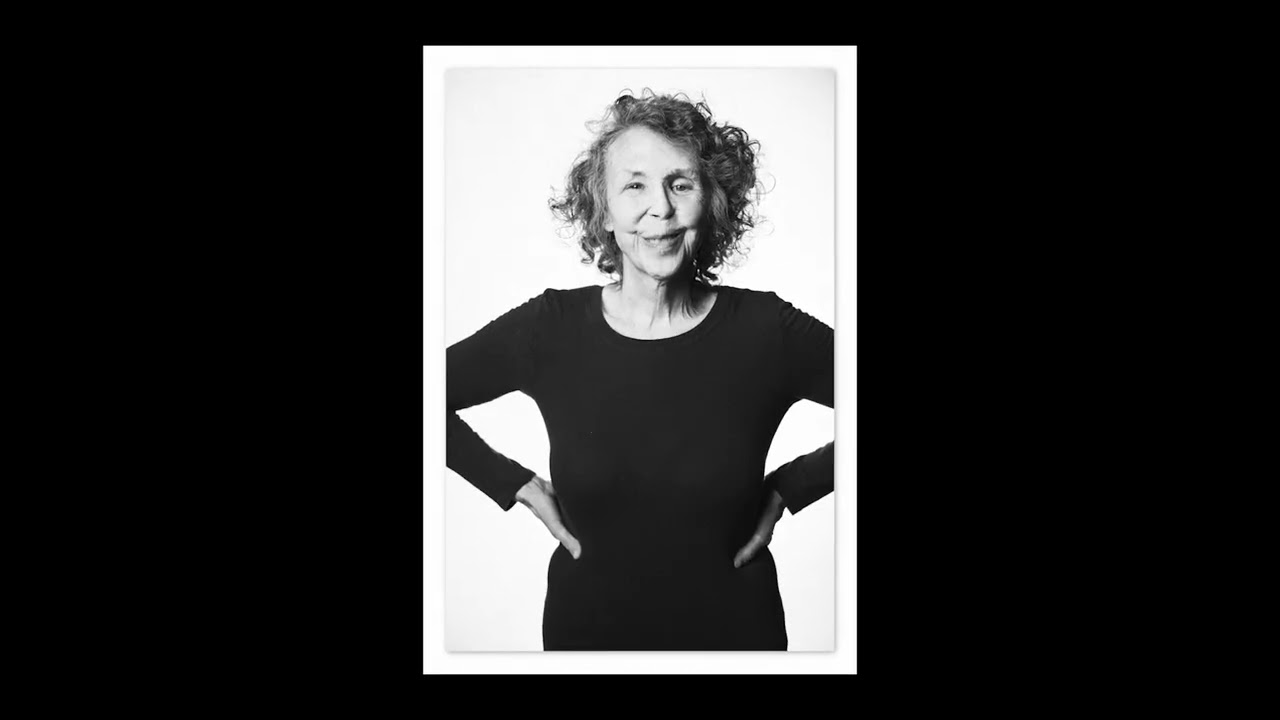
This video premiered at the 2025 New Moon Fest. It features women from around Nantucket sharing what makes them feel strong.
Click Here to WatchBy the 1840s nearly half of the world’s whaling ships sailed out of Nantucket. Usually left ashore while their men sailed the seas were the women who raised large families, managed their households and ran island businesses. In the early 18th century Nantucket was a predominantly Quaker community. A tenet of the Quaker religion was that men and women were socially and spiritually equal. During the height of the whaling industry, women outnumbered the men four to one. J. Hector St. John de Creve Coeur visited Nantucket in the 1770s. He wrote that the women of Nantucket “were justly entitled to a rank superior to that of other wives.”
Travel writer William Oliver Stevens wrote: “Indeed, it is probable that no other community in America of the size of Nantucket has ever given to the country so many extraordinary women.” The first English settlers came to Nantucket in 1659. The men and women who decided to make this island their home had to work hard to make the fledgling settlement survive. When whaling became the dominant industry, whaling husbands would be away from the island for years at a time. Women had to fill the breach and did so in remarkable ways, raising large families, managing their households, supplementing their incomes by starting businesses, and still found the time to become involved in the social movements of the day. To learn more about these notable Nantucket women, please click the buttons below.
Mid-1600’s
In the early 17th century there were several thousand Wampanoags living here. The island was divided between two sachems: Wauwinet was the leader on the eastern side. Wonoma was his cherished daughter, well known as a healer with great knowledge of medicinal plants and their healing powers. Autopscot was the leader to the west. There were wars over hunting grounds among the two tribes. When a terrible sickness befell the people of the west side, she was summoned to assist them. There she met Autopscot and fell in love with him, in addition to saving the western tribe. Wonoma returned home and shortly thereafter learned that her father was planning to attack Autopscot’s village. Wonoma set out on a starlit night to warn her lover and to make a plea for peace. Not only did Wauwinet and Autopscot agree to make a pledge for peace, they agreed to unite their people with an intertribal marriage.
Watch: Extraordinary Nantucket Woman: Wonoma, Wampanoag Healer and Legendary Hero
1645–1717
Known as “The Great Mary of Nantucket”, Mary Coffin Starbuck was a woman of power and influence. A charismatic personality, Starbuck converted to the Quaker faith at the age of fifty-six and brought much of the island’s white population with her. Meetings were initially held in her home, and she became the first recognized minister on the island. She also ran the family’s trading post, the island’s commercial center at the time. As she could read and write while her husband was illiterate, she kept the store’s account book, now held in the NHA’s collection. The volume illustrates the vital nature of her business to both the white and indigenous populations of the island.

1667–1752
Franklin was the mother of Benjamin Franklin. She had ten children, Benjamin being her eighth. In his biography Franklin described his mother, “she suckled all ten of her children, and was never sick a day in her life until she died at the age of eighty-five.”
1723–1798
Kezia Coffin, wife of a whaling captain, ran a lucrative international trading business before and during the American Revolution that made her and her husband the island’s wealthiest residents. Not content to rest in this position, Kezia considered it her duty to supply the island with necessary foods and goods during the Revolution. Nantucket’s economy depended on British trade, and in 1779 she was suspected of smuggling, allegedly importing fresh flour through British connections. Coffin was tried for treason, but historians have noted that if no one had “moved more rapidly than the law”, there would have been much suffering on the island. The court found her not guilty.

1793–1880
Lucretia Mott was mentor to women’s activist Elizabeth Cady Stanton, co-organizing the first women’s rights convention in the U.S. in Seneca Falls, NY in 1848. She also contributed to the Declaration of Sentiments, the conference manifesto asserting women’s equality in politics, family, education, jobs, religion and morals.
Image credit: Courtesy of the Nantucket Historical Association, CDV1327.

1802–1889
Well known as an “agitator” for temperance, equal rights, and women’s suffrage, she attended the first women’s suffrage convention in Massachusetts in 1851 and was among the first women to vote on Nantucket (for school committee) in 1880. Her later years focused on a genealogical record of 40,000 islanders dating back to the original settlers. The seven volumes now rest in the NHA Research Library and are available online for all Nantucket genealogical research.
Image credit: Courtesy of the Nantucket Historical Association, F6742.

1811–1895
McCleave was the wife of whaling captain Robert McCleave. Captain McCleave brought souvenirs and curiosities from his whaling voyages to his wife as a way of sharing his experiences visiting exotic places. As the collection grew, McCleave displayed her collection on the second floor of her Main Street home. For a fee, Eliza gave guided tours to the public. Her museum had benches and a daily “lecture” describing her artifacts. She gained a reputation for giving colorful, theatrical tours.
Image credit: Courtesy of the Nantucket Historical Association, GPN243.

1816–1897
Veeder accompanied her whaling captain husband Charles on the whaleship Nauticon in 1848. She kept a journal of her experiences. She illustrated her journal with watercolors and careful penmanship, chronicling a voyage that lasted almost five years. Beyond the notations of wind and weather, Veeder described life at sea, including joys, hardships and discoveries. Perhaps the most difficult aspect of the voyage was the birth and subsequent death of her baby girl born in Talcahuano, Chile. She then chronicled the highs and lows of the crew in their pursuit of whales. In the summer of 1851, the Nauticon went north to the Arctic where the ship was stuck in the ice for thirteen days. Her journal provides a fascinating window into the lives of women who went to sea. [Other Nantucket women who went on whaling voyages with their captain husbands include Mary Hayden Russell, Azubah Cash, Malvina Pinkham Marshall and Helen Marshall.]
Watch: Extraordinary Nantucket Woman: Susan Austin Veeder, Whaling Voyage Journalist
Image credit: Courtesy of the Nantucket Historical Association, GPN768.

1818–1889
Maria Mitchell was a trailblazer. In 1847, she became the second woman to discover a comet, and, the following year, was the first woman elected to the American Academy of Arts and Sciences. As the Atheneum’s head librarian, she was one of the first women in the world to lead a public library. Concurrently, she was the first professional woman employed by the U.S. government, hired in 1846 by the Coast Survey and in 1849 by the American Nautical Almanac Office. In 1864, as a professor of astronomy, she was the first person appointed to the faculty at Vassar College. She championed women in the sciences and advocated for women’s rights, co-founding the Association for the Advancement of Women in 1873 and remaining active in its work until 1888.
Image credit: Courtesy of the Nantucket Historical Association, CDV1370.

1822–1879
In 1850, Lydia Folger Fowler was the first American born woman to receive a medical degree. In 1851, she became the first woman professor of medicine at a U.S. college. She specialized in the health of women and children and wrote and lectured on hygiene, nutrition, physiology, and phrenology. In later years, she served the poor and needy of the slums where she eventually contracted blood poisoning which led to her death at the age of fifty-six. She was also active in the temperance and women’s rights movements.
Image credit: Courtesy of the Nantucket Historical Association, F900.
1824–1895
In the 1840s, communities across America saw the bitter divisions of slavery, and racial prejudice. On Nantucket in 1840, Eunice Ross, a seventeen-year-old student of Anna Gardner at the African School, by vote of a town meeting, was denied admission to the Nantucket High School because of her race. Five years of hot debate followed the ban, bringing to light prejudices within the community. Finally, in 1845, frustrated by the delays of the Nantucket School Committee, Edward J. Pompey and 104 other Black citizens, including members of the Ross family, submitted a petition to the Massachusetts State House requesting that admission to public school be extended to all children. Ross submitted her own petition. Ross was twenty-four when the school system finally integrated, but she made history as an advocate for equal education.
Watch: Extraordinary Nantucket Woman: Eunice Ross, African American Student Activist for Education Rights
1812–1904
Mary Ellen Pleasant, a Black woman, came to Nantucket in 1827 as a bonded servant to the Hussey family. She worked out her bondage, then became a family member and lifelong friend to Phebe Hussey Gardner. The Husseys were involved in the abolition movement, and Pleasant met many famous abolitionists. She worked in the Underground Railroad, transporting slaves to Ohio and Canada. She took her abolition work to California during the Gold Rush era. In California, she ran a men’s dining establishment and identified herself as a capitalist by profession. In 1866, Pleasant successfully attacked racial discrimination in San Francisco public transportation after she was ejected from a city streetcar.

1816–1901
Born on Nantucket, Gardner grew up in an abolitionist Quaker family. At the age of twenty-two, she began to teach at the African School. She had fifty pupils in one room and taught all levels up to the ninth grade. She was at the center of the segregation issue, as one of her students, Eunice Ross, was denied entry to the Nantucket High School. Anna resigned her teaching position, not just in protest, but to devote herself to the cause of equality for African Americans. Gardner also helped initiate Nantucket’s first anti-slavery convention. The convention included speeches by many well-known abolitionists, including William Lloyd Garrison and Frederick Douglass. She later worked in the south, establishing and teaching in schools for Black children.
Image credit: Courtesy of the Nantucket Historical Association, GPN1319.

1829–1921
Born a Quaker in ’Sconset, Coffin became the first woman in New England to be ordained as a Universalist minister in 1868. Hanaford had both public and private schooling and studied an advanced, classical curriculum. Raised in the Quaker tradition, she was accustomed to hearing women speak and preach in Friends meetings. At the age of sixteen took a teaching job in ’Sconset. During the 1850s and 1860s she wrote many books, including The Life of Abraham Lincoln, the first biography published after his assassination. She left the Quaker faith to join her husband Joseph in the Baptist church, but eventually she turned to Universalism. Hanaford had a long ministerial career, while writing prolifically and working for women’s rights, antislavery and temperance.
Watch: Phebe Ann Coffin Hanaford: A Force from Nantucket
Image credit: Courtesy of the Nantucket Historical Association, CDV15556.

1841–1880
Credited with many of the store’s marketing innovations, in 1866, she was promoted to superintendent at Macy’s Department Store in New York City, making her one of the first women to hold an executive position in American retail, managing the store’s routine operations and nearly 200 employees.
Image credit: Courtesy of Macy’s Archive

1846–1896
A former teacher, Baker was engaged as the minister of the First Congregational Church in 1880. After four years, the church found her ministry to and preaching to be “most acceptable” and voted unanimously to grant her the right to administer the sacraments of Baptism and the Lord’s Supper, to admit members of the Church, and to perform all duties of the ministerial service. After her ordination, she refused several calls from other churches. Baker had a deep interest in literature. She published a volume of her collected poems entitled “By the Sea”. She also wrote a book of fiction, Eunice Hussey: A Nantucket Story.
Image credit: Courtesy of the Nantucket Historical Association, GPN1558.

1865–1953
In 1926, Nantucketers elected educator Anne Ring to the Board of Selectmen, the first woman elected not only in Nantucket but in the Commonwealth of Massachusetts. Ring was a teacher at the Tuckernuck School.
Image credit: Courtesy of the Nantucket Historical Association, P1564.

1877–1970
Following the ratification of the 19th amendment in August 1920, Clara Parker registered to vote in the national elections. She was listed in the Inquirer and Mirror as one of sixty-nine Nantucket women registered as “New Voters”. Parker was head librarian at the Atheneum for fifty years, serving three generations of Nantucket readers.
Watch: “Miss Parker”: Clara Parker, Nantucket Atheneum Head Librarian, “New Voter”
Image credit: Courtesy of the Nantucket Historical Association, GPN1031.


Gertrude Monaghan 1887–1962 · Hanna Monaghan 1889–1972
Quaker sisters Gertrude and Hanna Monaghan arrived on Nantucket at the time when Nantucket had ceased to be a whaling center and was beginning to be a summer resort destination and an art colony. Gertrude was an accomplished artist, and Hanna, the more dramatic of the two, was devoted to the arts. Hanna said she and her sister were affected by “a virus struck under the pseudonym of ART”. When they first came to the island, the sisters from Pennsylvania rented a studio on the wharf. On a return visit in 1929, they followed a farmer leading cows up Main Street to a barn on Howard Street. The sisters fell in love with the building and decided it would be perfect for their summer home. As religious women, the sisters believed that everything in their lives happened through divine influence, and the creation of their home was no exception. They named their new home “Greater Light” from Genesis, “And God made the two great lights; the greater light to rule the day, and the lesser light to rule the night.”
Watch: Extraordinary Nantucket Women: Gertrude and Hanna Monaghan, Quakers, Artists, Designers
Image credits: Hanna — Courtesy of the Nantucket Historical Association, P16954. Gertrude — Courtesy of the Nantucket Historical Association, P16956.

1893–1972
Born in Virginia, Higginbotham made Nantucket her home. After training at the Boston Cooking School, she arrived on the island in 1911 to work as a summer staff in ’Sconset. In 1920, she was hired to manage the Underhill Cottages where she lived with owner Evelyn Underhill, and purchased the historic Seneca Boston home, in the New Guinea neighborhood, which she used for rental income. After the stock market crash of 1929, Higginbotham moved to the Boston house permanently, with her former employer Underhill. In 1933, she purchased the adjoining historic African Meeting house, which she also rented out for storage.
Image credit: Courtesy of the Nantucket Historical Association, P19179

1907–1990
Jewett, known as “Madaket Millie”, was a lifelong resident of the island, spending most of her life at her grandmother’s homestead in Madaket. As a child she dreamed of a career in the U.S. Coast Guard. The American services did not accept women until the outbreak of WWII; however, Jewett was denied enlistment due to health concerns. She spent most of the war years training dogs, running her ice cream stand and patrolling the coast for shipwrecks, spies, and vessels in distress. Due to her forty-year dedication to the mission of the Coast Guard, Jewett was made an honorary Chief Warrant Officer in 1984.
Image credit: Courtesy of the Nantucket Historical Association, P21503.
Our next notable woman is Lucinda Cooper. She was born in Africa and abducted by slave traders when she was in her teens. She lived on two continents, survived the Revolutionary War, the War of 1812 and the American Civil War. Lucinda Cooper, or “Aunt Lucy” was the second wife of Arthur Cooper the fugitive slave who Anna Gardner’s family helped. Lucinda was known to the neighborhood as a caring friend and a member of the African Methodist Episcopal Zion Church. In 1833, she and her husband purchased a house on Angola Street, known as Allentown. An 1858 map shows the home of the Coopers on the north side of Angola Street. Aunt Lucy was a favorite of the island children who were fascinated by the brand on her forehead which looked like cluster of grapes. Lucy survived her husband and islanders said she was one hundred ten years old at the time of her death in 1866.

1891–1964
When the original English settlers arrived in 1659, it is estimated that there were approximately 2,000 Wampanoags living on the island. In the mid-1700s an epidemic took its toll on the Native American population. Today there are no Wampanoags on the island. However, Nantucket’s Native American population heritage lives on through interracial marriages and Nantucket’s Wampanoags who joined other communities on Martha’s Vineyard and the mainland. Late in the 1800’s the West family with descent from Martha’s Vineyard Wampanoags moved to Nantucket. Ruth West Coombs was part African American and part Wampanoag, born on Nantucket in the 19th century. Ruth West married Wampanoag Darius Coombs from the mainland and they moved to Nantucket along with several members of his family. She was a singer, touring New England under her native title, “Princess Red Feather”. Ruth’s concerts raised awareness and appreciation for the Wampanoag culture. Ruth was also on the costume team for the Nantucket Theater Workshop. Her costumes were described as “outstanding in their flamboyance” in the local paper. She is buried here with her family. Today it is estimated that 4,000 to 5,000 Wampanoags live in New England.
Image credit: Photo by Louis Davidson, courtesy of the Nantucket Historical Association, PH165-P178H.
1921–2005
Gwen Gaillard, regarded as the Grand Dame of Nantucket, is remembered for being the legendary Opera House restaurant owner and she was known to be the inspiration behind the Opera House Cup, a classic wooden sailboat race on Nantucket. A socialite and maternal figure, Gwen shared recipes with James Beard and Julia Child and was known to have greatly influenced the Nantucket food scene. People adored and respected Gwen, she was a true Nantucket treasure.

1915–2015
Edith Folger Andrews first came to Nantucket on a postgraduate trip after receiving her bachelor’s degree in biology and nature study in 1938. It was on this trip that Edith fell in love with the island, its birdlife, nature, and the Maria Mitchell Association. Edith was later invited to teach nature classes at the Maria Mitchell Association and this is where she continued to work for over 60 years. Edith was a teacher, an observer, an advocate and an inspiration to many people within the community. She spent much of her time marveling at and observing the island’s birdlife and started a column “Island Bird Sightings” in the Inquirer and Mirror which her daughter still writes today. During WWII she was involved with a local network of spotters who watched for enemy craft and she also stepped in and taught biology, physics and chemistry for the drafted science teacher at Nantucket High School. Just as she was inspired by the remarkable Maria Mitchell, Edith went on to inspire students and researchers and never stopped observing, learning or being curious about the natural world that surrounds her. Deeply connected to nature, the island and the community, Edith Andrews, a celebrated ornithologist, is highly regarded as a notable Nantucket woman.
Image credit: Jim Powers
