Nantucket Conservation Foundation

NCTV Nonprofit Videos

About the Nantucket Conservation Foundation:

The Nantucket Conservation Foundation owns, protects, and stewards over 9,000 acres of land and coastal shoreline, conserves Nantucket’s rare and significant natural resources, and engages in impactful ecological research to inform resource management and further our knowledge of Nantucket’s unique ecosystems and species. We share our environmental expertise with the wider community and provide educational and recreational opportunities to encourage respectful enjoyment and appreciation of our properties.

Watch Now
The Cranberry Bogs
Milestone Bog History

Milestone Bog History

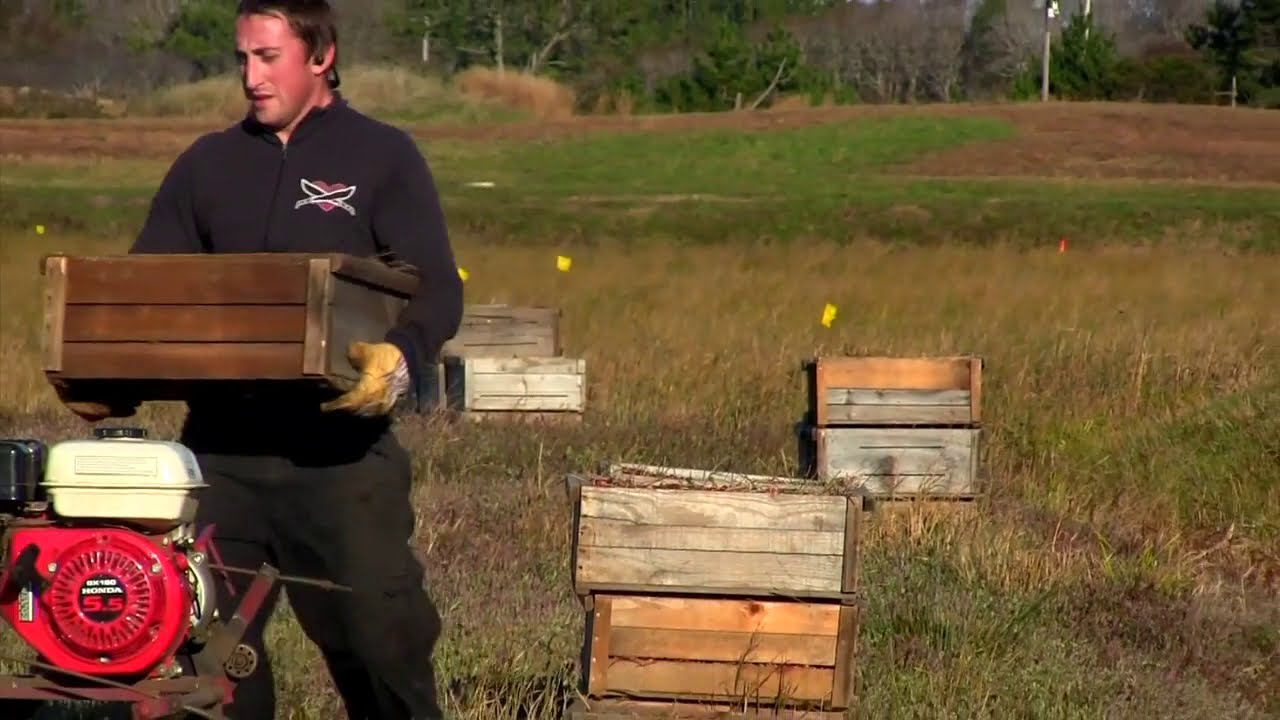
A short history of the Milestone bog, made in 2012. One speaker describes the hand labor that built it in the 1860s, when more than a hundred people worked it at once — men with wooden scoops, women and children picking individual berries into boxes and issued a chit to be paid against later — and credits the Cape Verdean community that came to the island for the cranberry industry. He sets the cultural history alongside the open space around the bogs, noting that a grower protects three or four acres of open land for every acre in cultivation. The Foundation acquired the stock of the Nantucket Cranberry Company in 1968, bought by three men led by the then vice-chairman of Time Incorporated. A second speaker, one of the local owners who sold it, recalls the buyer flying in from New York and buzzing the bog so he would know he was coming, then helping unload boxes in the field.

Click Here to Watch
Milestone Bog Harvest

Milestone Bog Harvest

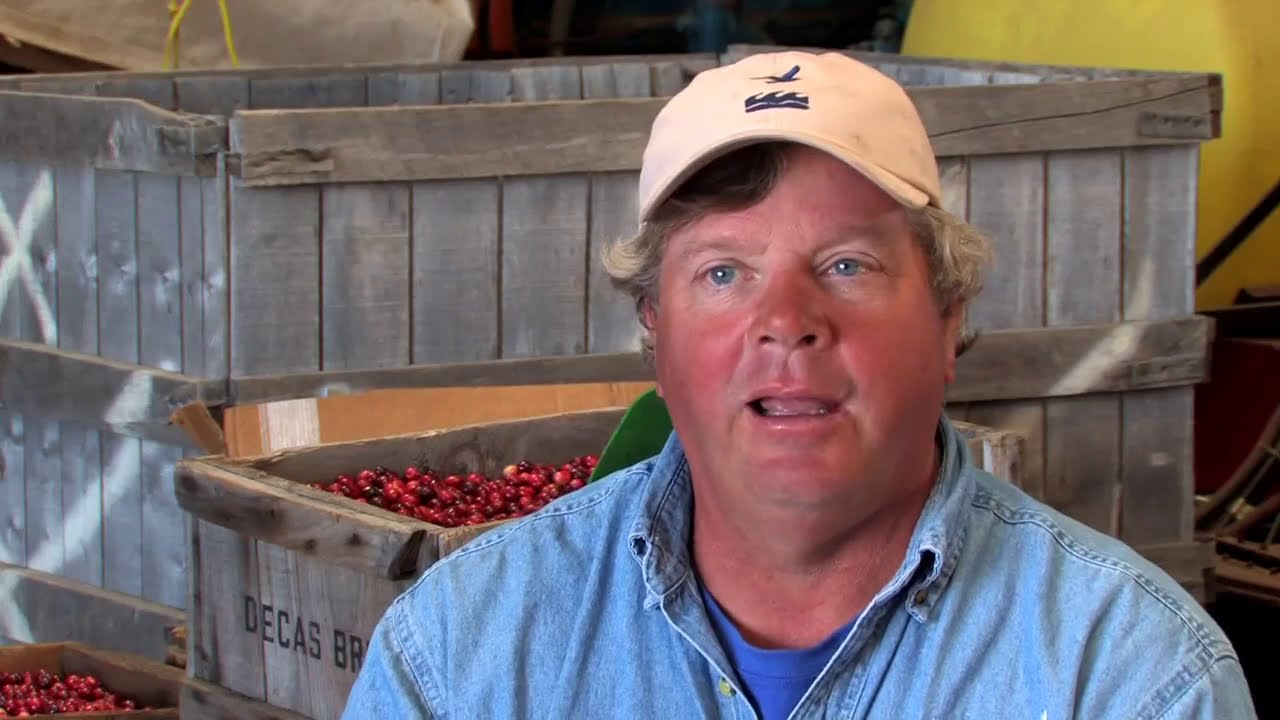
A 2012 account of how cranberries were grown and harvested at the Milestone bog. The grower explains that cranberry is a fifteen-month crop: the bud that becomes next spring’s flower forms in late summer, while the previous year’s fruit is still on the vine, so two crops are being tended at once. He lists what each stage needs — winter protection for the bud, protection from insects and spring frost for the flower, then fertilizer and irrigation for the young berry — and says an infestation the day before harvest can make the whole crop worthless. The footage shows a Darlington picker, a dry-harvest machine used from the 1950s until wet harvesting came in during the 1970s, and the sorting rig that keeps only the berries that bounce three inches, three times.

Click Here to Watch
The Larrabees: Father & Son Family Farmers

The Larrabees: Father & Son Family Farmers

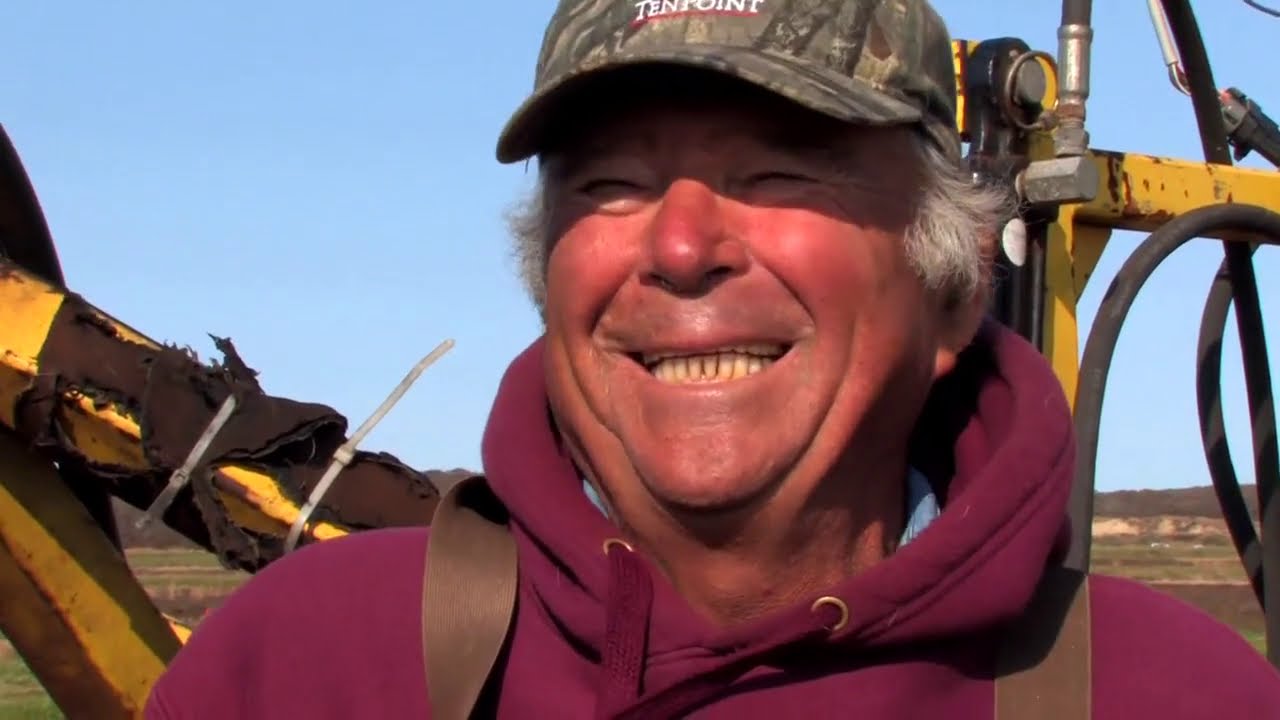
A 2012 portrait of Tom Larrabee Sr. and Tom Larrabee Jr., who grew cranberries at the Milestone bog together. The father started there in 1951 at sixteen and was still at it sixty years later. The son grew up around the bog, wanted nothing to do with it after high school, joined the Marine Corps and left the island, then came back to work alongside his father. The father credits the Marines with setting him straight and calls his return a piece of luck; the son says his father has become his best friend. The acreage grew from about 85 to close to 250 between the two of them. The father ends by saying his son has promised to fly over the bog with his ashes.

Click Here to Watch
Clarence The Cranberry Who Couldn’t Bounce

Clarence The Cranberry Who Couldn’t Bounce

Nick Larrabee, who manages the Foundation’s cranberry bogs, reads a picture book aloud for Cranberry Month. Clarence the Cranberry Who Couldn’t Bounce was written and illustrated by Jim Coogan. Clarence forms on the vine in midsummer and does everything a good cranberry should, except that he cannot bounce — and a berry has to bounce three times through the sorting machine to be kept. The reading runs over the book’s illustrations, and takes in a little cranberry history along the way.

Click Here to Watch
Films & Documentaries
Remembering Jim Lentowski

Remembering Jim Lentowski

Jim Lentowski, who ran the Foundation for 47 years, talking about the work and the places. He describes springtime on the island as a thousand shades of green against the winter’s thousand shades of gray, and the gift of a property as something closer to an adoption — landowners walking into the office, then walking the land with him. He recalls his first day in 1971: the man who hired him made him take off his tie, then showed him to an eight-by-ten closet with a pea-green table in it. The Foundation held about a thousand acres then, most of it the Milestone bog. He lists what was nearly lost — Madequecham Valley, subdivided into 240 lots; some 275 houses planned where the middle moors are now; a harbor-front field station with 2,000 feet of frontage — and remembers the two women whose fundraising talked owners round. Standing on Altar Rock, he counts 3,500 acres in front of him that he had a hand in protecting, out of about 9,000 in all.

Click Here to Watch
60 Years of Conservation
Video created by:
click for website

60 Years of Conservation

A short film marking the Foundation’s sixtieth year. Staff and islanders speak over footage of the middle moors and the trail system. They describe what happens after a property is acquired: monitoring, habitat restoration and management, and the research that guides it. One speaker calls Nantucket a biodiversity hot spot, with some of its rarest species found nowhere else in New England. Another, a descendant of one of the founding families, places the original acquisitions sixty years earlier. The closing section frames the 9,000 acres the founders assembled as a first legacy and the ecological and education work now built on it as a second.

Click Here to Watch
Coskata Coatue: A Refuge On The Edge
Video created by:
click for website

Coskata Coatue: A Refuge On The Edge

A documentary made with The Trustees about the Coskata-Coatue Wildlife Refuge and what rising seas mean for it. Scientists, rangers and fishermen describe the refuge as the barrier that shelters Nantucket Harbor and the town behind it. The figures given: sea level is rising faster in New England than in most of the world, more than 25 miles of road and 600 buildings on the island are projected to flood at high tide by 2050, and the refuge has lost 60 to 70 acres over the past century. A consultant identified two priority sites, Coskata Pond and the Haulover, where a breach would open the harbor to the ocean. The ecological case runs alongside the physical one — piping plovers, American oystercatchers, nesting terns and migrating shorebirds — as does the recreational one, with fishing access allowed around the clock. A ranger says the refuge now closes more often for flooding than for nesting birds. The last section covers nature-based responses: rebuilding dunes and salt marsh, and an intertidal oyster reef to take the energy out of everyday waves.

Click Here to Watch
The Milestone Center
Video created by:
click for website

The Milestone Center

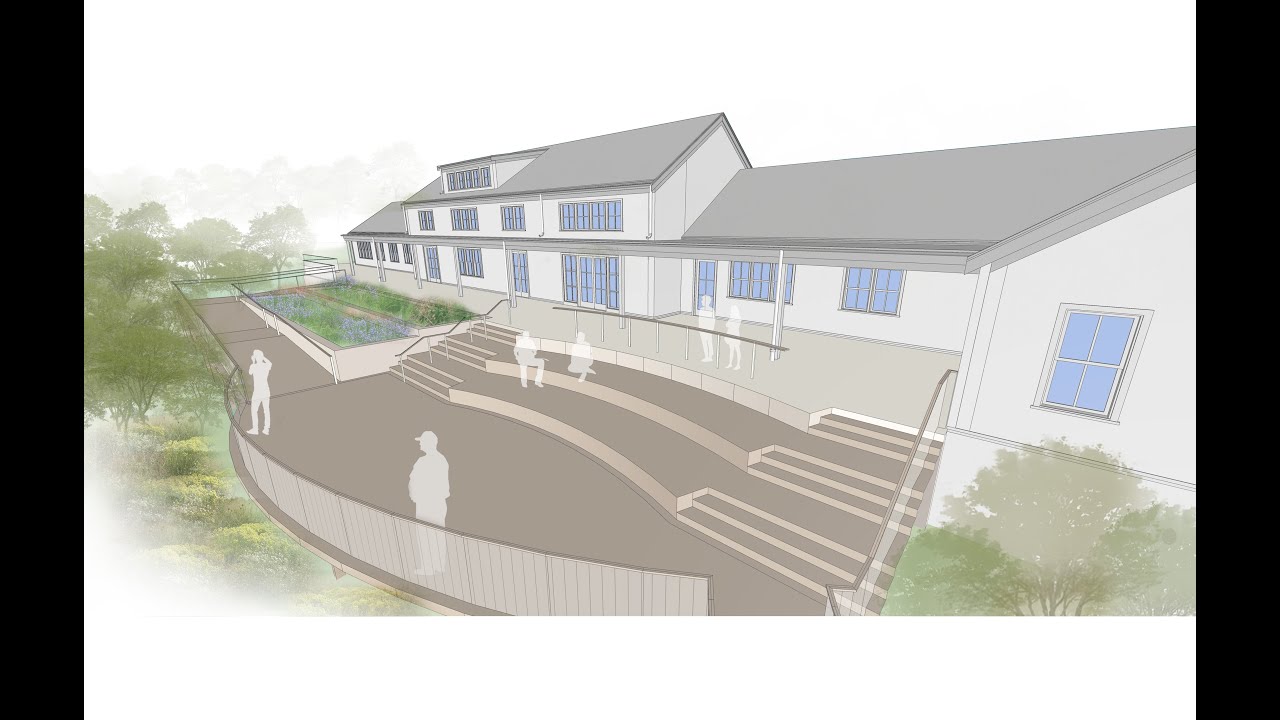
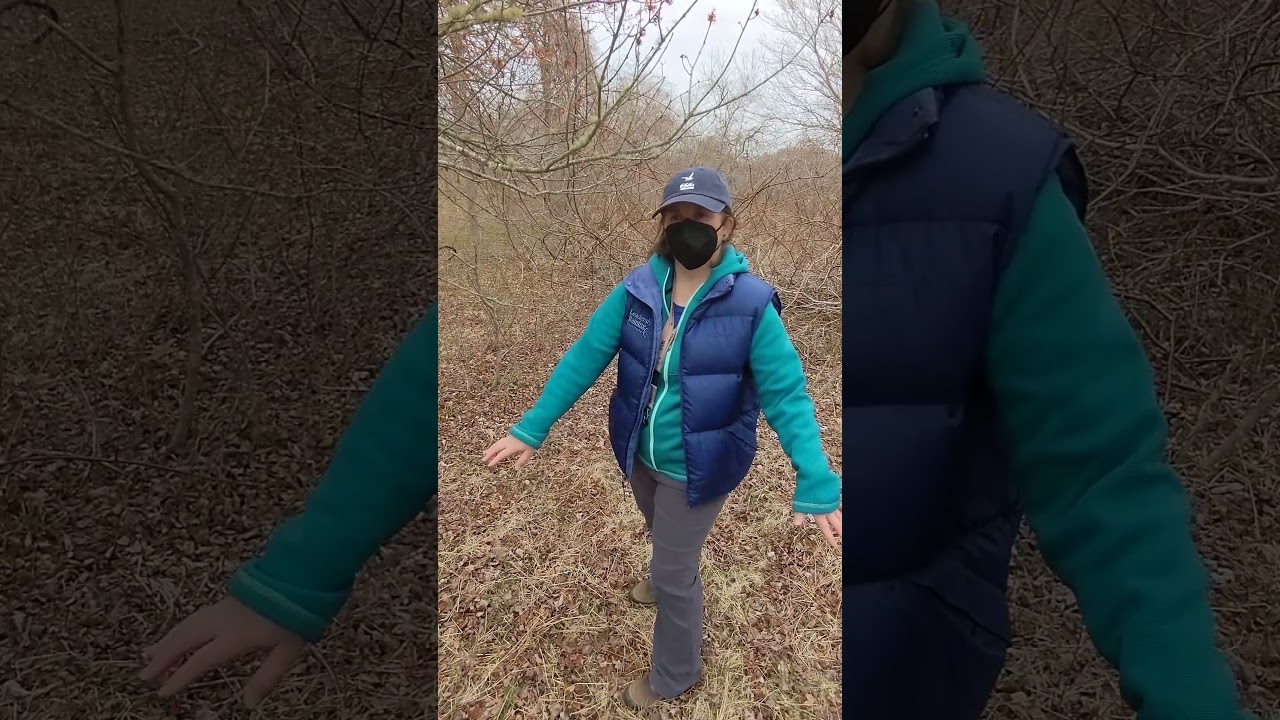
A short film on the plan for a new headquarters at the Milestone cranberry bog. Staff describe outgrowing the current office, a former golf clubhouse in a residential neighborhood that holds administration, education, research and land management in one crowded space. The Milestone Center is described as a herbarium, laboratory space for staff and visiting researchers, and a classroom for school groups and lectures, with improved trails and public access to the working bogs. Other plans include growing native plants from island seed stock for community members, and dozens of bedrooms of staff housing. The film closes on a speaker recalling a grandfather’s instruction to leave it better than you found it.

Click Here to Watch
The Restoration of Windswept Bog
Video created by:
click for website

The Restoration of Windswept Bog

The Foundation’s own film about turning the retired Windswept cranberry bog back into a wetland, a project of about five years. It opens with three generations of the family that farmed it: Tom Larrabee started at the Milestone bog in 1951 at sixteen, his son took a full-time position in 2006, and his grandson came up behind them. They explain why growing ended at Windswept. Warmer winters were no longer delivering the chill hours the crop needs, and Canadian hybrid berries had flooded the market and driven prices below what it cost to ship a crop off Nantucket. Milestone still grows twenty and a half acres, as it has since the 1860s. Staff from the Foundation and from the Massachusetts Division of Ecological Restoration, which runs a program for retired bogs, describe the work: miles of irrigation pipe pulled out, water reconnected so it moves slowly enough for native plants to take up its nutrients before it reaches Polpis Harbor, and a route opened for salt marsh to migrate inland as the sea rises. Rare species set the limits — spotted turtles, of which the island may hold one of the best populations in the state, were tracked and their ground fenced off. The film is candid about how alarming the construction phase looks, and about the growers who did not want to see the place change.

Click Here to Watch
Habitat & Land Management
NCF Celebrates World Wetlands Day

NCF Celebrates World Wetlands Day

Neil Foley marks World Wetlands Day and the fiftieth anniversary of the Ramsar Convention with a short explanation of what a wetland is: ground whose soil stays saturated for at least part of the year, which rules out most plants and selects for those that tolerate wet roots. He runs through what wetlands do — filter and store excess carbon, nitrogen and phosphorus, support the many species that spend part of a life cycle in them, and absorb storm surge and buffer wave action, soft-armoring the coast. The second half is a wordless tour of island wetlands set to music.

Click Here to Watch
2023 Winter Mowing

2023 Winter Mowing

A short revisit to the winter mowing program, built largely from the same ride-along filmed for the 2022 episode of In the Field with Neil. The crew talk over the work: few mice this year and so fewer red-tailed hawks about, the tractor as the best bird blind ever invented, and the fact that nobody has ever come up to complain about the brush cutting. Asked what the island looked like before, one of them points to Letters from an American Farmer for the 1780s and quotes Thoreau from the 1850s, who wrote that Nantucket would look exactly like a prairie if the view were not bounded by the sea. The rest is the machines working, and a note that the pines take the place back if the crew lose their grip on them.

Click Here to Watch
Southern Pine Beetle Management on Nantucket

Southern Pine Beetle Management on Nantucket

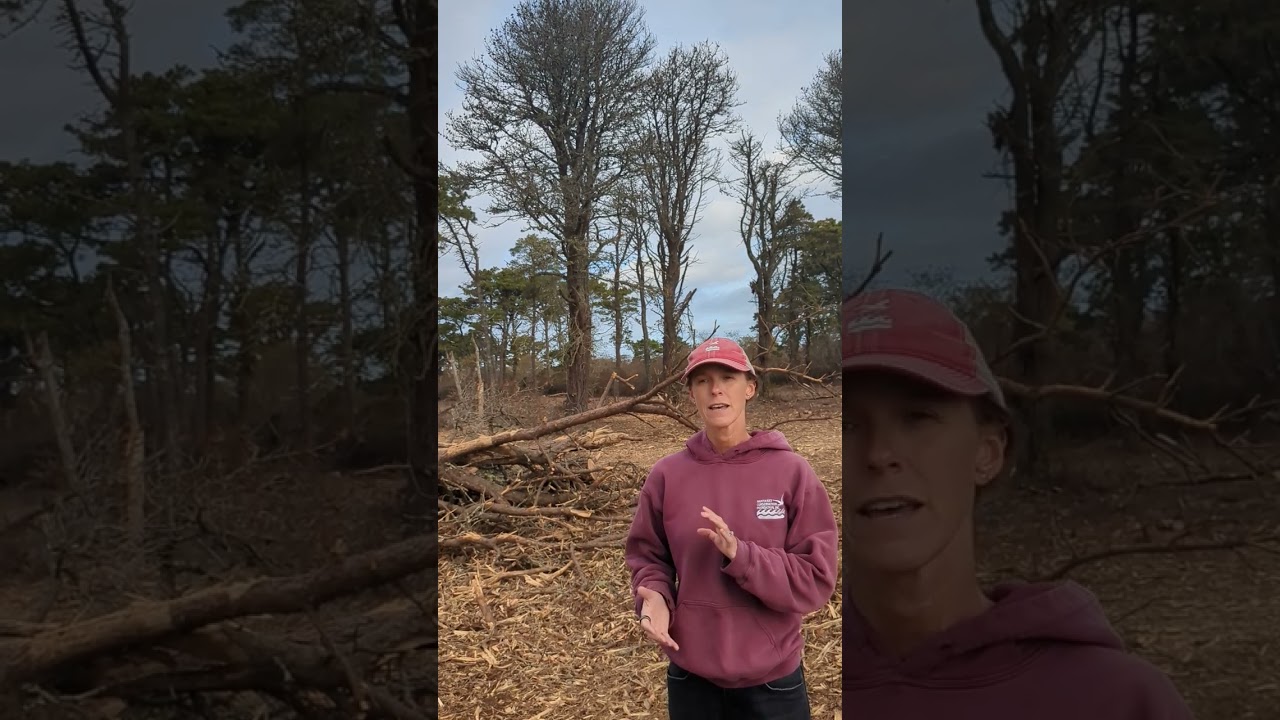
Danielle O’Dell, a wildlife research ecologist with the Foundation, reports from an active cutting site at Westgate, in Ram Pasture, where pitch pines killed by southern pine beetle are being removed under a plan drawn up by a licensed forester and approved by the state. She is plain about the cost. This is where northern long-eared bats were first found on Nantucket, it is a site birders use, and some of the trees were more than 180 years old. Dead trees the beetles have already left are kept standing as wildlife habitat. Cutting early is the prescribed response, learned from Long Island, which has been dealing with outbreaks since 2014. She asks islanders to learn the signs and report suspect trees, and says the island’s hands-off habit with its forests left them overgrown and more vulnerable. Goldenrod, oak and poison ivy are already coming back, with heathland and grassland species to be replanted.

Click Here to Watch
Windswept Bog Restoration: A Year 1 Update

Windswept Bog Restoration: A Year 1 Update

A narrated progress report on the Windswept Bog restoration. Phase 1 finished in March 2024 and brought 14 acres back with native wetland plants that had lain dormant for decades. Phase 2 covers the remaining 26 acres and concentrates on reconnecting the flow of water through the wetland. Cranberries stay on the property as a native wetland plant, while cultivation continues at the nearby Milestone bog. The update says Windswept was due to reopen in March 2025 with new boardwalks and trails linking it to the middle moors, and notes the wetland’s part in filtering water on its way to Polpis Harbor.

Click Here to Watch
In the Field with Neil
NCF’s Winter Mowing

NCF’s Winter Mowing

Neil Foley walks a stretch of the Serengeti where two mowing treatments sit side by side: scrub oak cut a couple of winters ago and already well above head height, and ground cut this season down to stubs. He explains why the Foundation mows in winter. Scrub oak shades out everything beneath it through the growing season, so cutting it back lets the low grassland and herbaceous plants reach the sun. The aim is a mosaic of different ages rather than one even stand, on the same reasoning that makes a farmer avoid a single crop. He notes that the Serengeti would have looked overgrown like this through the 1980s and early 1990s. The episode ends on the tractor finishing the last strip of the season, pulling a three-section mower called a batwing.

Click Here to Watch
Cranberry Bog Sanding

Cranberry Bog Sanding

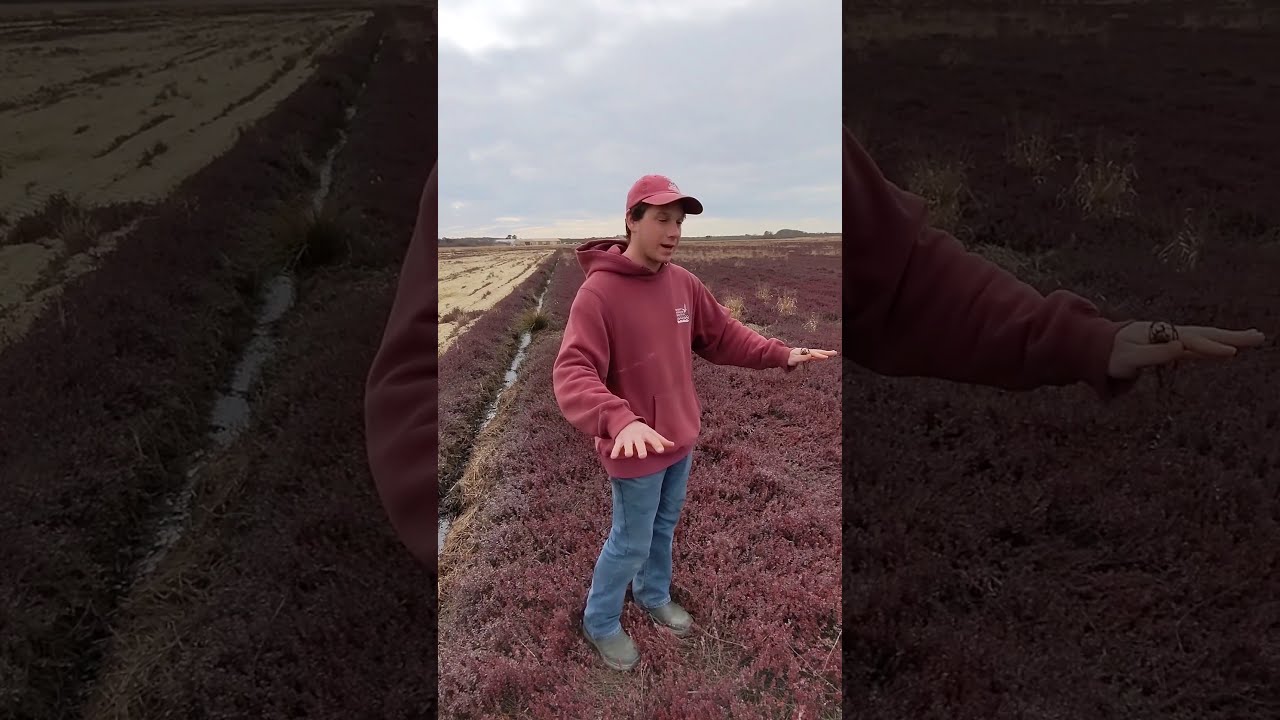
Neil Foley meets Nick Larrabee, the cranberry bog manager, at Milestone to find out why piles of sand stand around the bog all winter. Sanding is one of the most useful things a grower does: covering the nodes along a trailing vine stimulates root growth, which makes the plant put out more uprights, and more uprights mean more flowers and more berries. Sand also buries insect pupae, eggs and weed seeds, and keeps the vines conditioned enough that a dry picker can run through without snagging and breaking. The depth is a trade-off: half an inch protects that year’s crop, a full inch buries more pests but costs some fruit. The bog they are standing on was planted in 1857 and still fruits every year. The sand comes from a screened pit on the property rather than from off-island.

Click Here to Watch
Dune Stabilization at Millie’s Bridge

Dune Stabilization at Millie’s Bridge

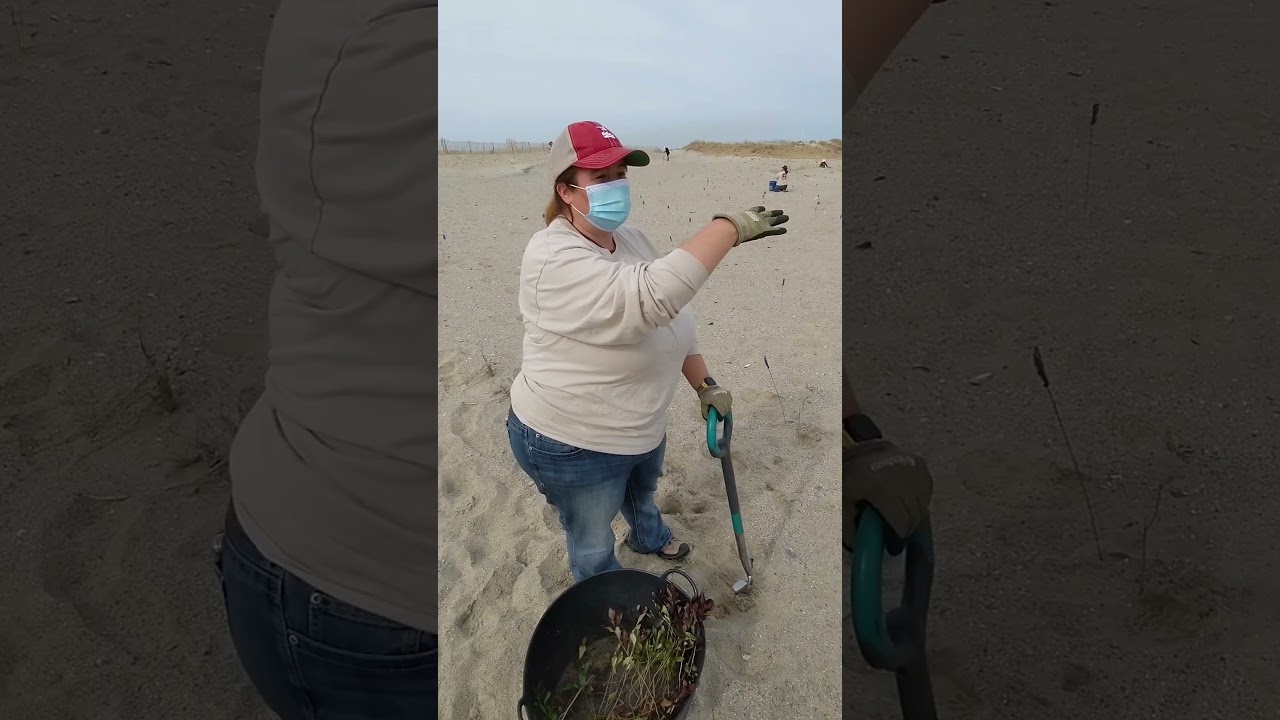
Neil Foley joins a planting day at Hither Creek, where a storm in 2017 drove the dune over into the creek, drowned the wetlands, filled in most of Millie’s Pond and took the Stilt House with it. Dr. Jen Karberg, the Foundation’s research program supervisor, says the area was watched for several years afterwards and the salt marsh did not come back on its own. The crew are putting bayberry and high-tide bush in where the blue flags are, with volunteers planting beach grass along the top, to speed up the dune that nature is already trying to build — worth about five years, by her estimate, and a stable dune stands up to the next storm better. The land belongs to the town, the Madaket Conservation Association funded the plants, and the crew come from the Foundation, the town, the Linda Loring Nature Foundation and the Land Bank. It is described as the island’s first dune restoration on this scale, and will be monitored to see whether the technique is worth repeating elsewhere.

Click Here to Watch
Spring Botanizing at Masquetuck

Spring Botanizing at Masquetuck

Neil Foley finds Kelly Omand at work in the old sunken forest at Masquetuck, just as the buds begin to move. She shows what flowers before anything leafs out: hazelnut catkins, which are the male flowers releasing pollen to the wind, with the tiny red female flowers nearby that become the nut, and the stout twigs and swelling buds of mockernut hickory. Hazelnut, cedar and elm are the island’s earliest bloomers. She is searching the leaf litter for a sedge she found the previous year that had not been recorded on Nantucket before, which is easier to spot while the canopy is still open. They stop at a black oak badly hit by oak crypt gall wasp, an insect spreading through the island’s coastal black oaks, where a visiting researcher has since found native predators that may bring it under control. A sea fog comes in, which she notes carries the moisture and nutrients behind the island’s well-developed lichen flora.

Click Here to Watch
Restoring Nantucket’s Grasslands

Restoring Nantucket’s Grasslands

Neil Foley follows Karen Beattie, the Foundation’s science and stewardship director, through a grassland restoration in the Serengeti. She is flagging out eight plots of two to three acres each for harrowing. Years of repeated mowing had not been enough on its own to restart the grassland, so an earlier trial used a disk harrow to disturb the soil just enough for grasses to take hold, and this project expands it. The plots are deliberately small and scattered inside a larger shrubland, and the mowing is rotated on a three- to four-year cycle, so what results is a mosaic of grassland, short shrubland and taller shrubland rather than one uniform treatment. Three weeks later the crew return to sow little bluestem collected the previous autumn at Sanford Farm and Ram Pasture — island seed rather than a commercial mix — divided into 16 bags of equal weight and spread along belt transects that had been surveyed before the harrowing. The transects left unseeded serve as the comparison.

Click Here to Watch
Red Maple Magic

Red Maple Magic

Neil Foley and Kelly Omand look at red maples in flower at Squam Farm. She shows how to tell a male tree, its red flowers carrying pollen on the anther tips, from a female, whose flowers become the winged samaras children throw. Red maple is the island’s only native maple; the sycamore and Norway maples here were planted and are considered invasive. It tolerates the acidic, low-nutrient sand that a sugar maple cannot, which is why it is the island’s wetland tree. You can tap it, but the sap carries far less sugar. The second half is about what happens when one blows over. Shallow roots in waterlogged ground peel up in a storm, leaving a tip-up mound and a pool two or three feet deep, and the tree sends new trunks from the old trunk or the root ball rather than dying. Those pools are habitat: spotted turtles shelter under the root mass through the winter, caged in against predators, and four-toed salamanders nest in the sphagnum around them. The two also note which amphibians the island lacks — newts and spotted salamanders among them — probably lost when Nantucket was deforested.

Click Here to Watch
Blooming Shadbush & Sassafras

Blooming Shadbush & Sassafras

Neil Foley and Kelly Omand at Squam Farm in early May, when the shadbush is in bloom. She explains why identifying it is so hard: about five species grow on the island, botanists disagree about them, and members of the rose family hybridize freely and differ in chromosome number even within a species. A positive identification means looking at the flowers now and coming back for the fully emerged leaves to count the teeth along the first centimeter. She runs through the common names — juneberry for when the fruit ripens, shadbush for the run of the shad, and serviceberry, which she traces to burial services held once the ground thawed in late spring. They then look at sassafras coming into bloom, recognizable at a distance by its greenish gold, and open a bud to find next season’s leaves packed in with the blossoms. The tree they reach is a female: a pistil in the center and only vestigial anthers.

Click Here to Watch
Tern Colony Census

Tern Colony Census

Neil Foley joins Libby Buck, the Foundation’s shorebird monitor, for the annual least tern census at Eel Point. They count more than 380 nests, a better result than she expected, and she turns up several piping plover nests she had not known were there, bringing the point to nine pairs. The census is required, and the numbers go to the state, where they join shorebird monitoring from across the eastern seaboard to track the population year on year. Terns nest in a colony rather than separately as plovers and oystercatchers do, and the episode shows what being inside one is like. It ends with her advice to visitors: stay outside the symbolic fencing, and when the birds start dive-bombing or calling in alarm, back off.

Click Here to Watch

Carnivorous Plants & Quaking Bogs

Carnivorous Plants & Quaking Bogs

Neil Foley follows Dr. Jen Karberg into a quaking bog, one of only a few on Nantucket. She explains what makes it quake: an organic peat wetland formed in a glacial kettle and lined with clay, so groundwater cannot get in, where plants decay slowly in the acid and the wet and build a floating mat of soil over the rainwater beneath. Nothing but rain feeds it, so there are almost no nutrients, which is why carnivorous plants do well here. She shows the northern pitcher plant, whose leaf is the cup: veins that glow at wavelengths insects can see, sugar around the lip, a smooth interior and standing water to wet a flying insect’s wings. It makes no digestive enzymes of its own and relies on a community of microbes inside the pitcher. A plant grows two or three pitchers a year and keeps the old ones, so halving the count gives a rough age; she has found some around 30 years old. She also shows sundews, which curl around an insect caught on their sticky stalks, and notes that the wild cranberry growing here is the same species as the cultivated one at Milestone. An inch of peat takes about a century to build, which is why the Foundation runs no walks out to these bogs.

Click Here to Watch
The Coast to Coast Trail

The Coast to Coast Trail

Neil Foley walks the Coast to Coast Trail, a 24.7-mile route assembled through a Nantucket Islands Land Bank initiative that crosses the island on mostly conservation land. He meets someone from the Land Bank’s environmental department at Stump Pond, which sits between Foundation and Mass Audubon property — an example, she says, of how much of the trail runs on ground the organizations already maintained separately. She describes the Cross Island Hike, first run in 2019 and returning that October, which covers the whole route in a day from Sconset to Settlers Landing in Madaket, broken into sections of two to four miles so people can join for part of it. At Lost Farm, the largest pitch pine forest on the island, Mass Audubon’s only full-time island staff member talks about keeping the trail open with a caretaker, a summer youth stewardship program and volunteers, and about the high school wood shop that built them an equipment shed. The episode ends at Altar Rock, on a 360-degree view over land that took decades to piece together, and a credit to the Foundation’s own year-round maintenance crew. The route can be downloaded from the free ACKTrails app.

Click Here to Watch
Artificial Oyster Reef

Artificial Oyster Reef

Neil Foley wades into Polpis Harbor with Dr. Jen Karberg to install what is described as the first oyster reef built from oyster castles in Massachusetts. The castles are hollow concrete blocks of 35 pounds each — she calls them adult Lego — stacked in lines in front of an eroding salt marsh bank on a Foundation property. The harbor bottom is mostly muck and oysters need something solid to settle on. The reef is meant to slow the waves cutting into the marsh, while the oysters filter the water and add habitat; there is no oyster population in the harbor at present. The permit is a scientific research permit, since no installation like it had been done in the state. The Nantucket Shellfish Hatchery had seeded some of the castles with spat months earlier, so the reef starts with oysters already on it. She notes that an oyster reef grows upward as sea level rises, which may help the marsh keep pace as well.

Click Here to Watch
2022 Winter Mowing

2022 Winter Mowing

Neil Foley opens the year in the Serengeti, where the land management crew are mowing across the middle moors, Ram Pasture and Tom Nevers. He explains the timing. Outside the growing season and the bird nesting season, with everything dormant, the crew cut back the above-ground cover, mainly scrub oak, which otherwise leafs out and takes the sun from the lower grassland and heathland plants; rotational mowing gives those plants their chance. He then climbs into the tractor with Richard Mack for the rest of the episode. Mack compares the mown ground to being at sea, calls a tractor the best bird blind ever invented, and notes that there are few mice this year and so fewer red-tailed hawks working behind him. Asked what the island looked like before settlement, he points to Letters from an American Farmer for the 1780s and quotes Thoreau from the 1850s on Nantucket looking like a prairie but for the sea. He says nobody has ever come up to complain about the brush cutting, and that the pines take the place back if you lose your grip on them.

Click Here to Watch
Restoring Windswept Bog

Restoring Windswept Bog

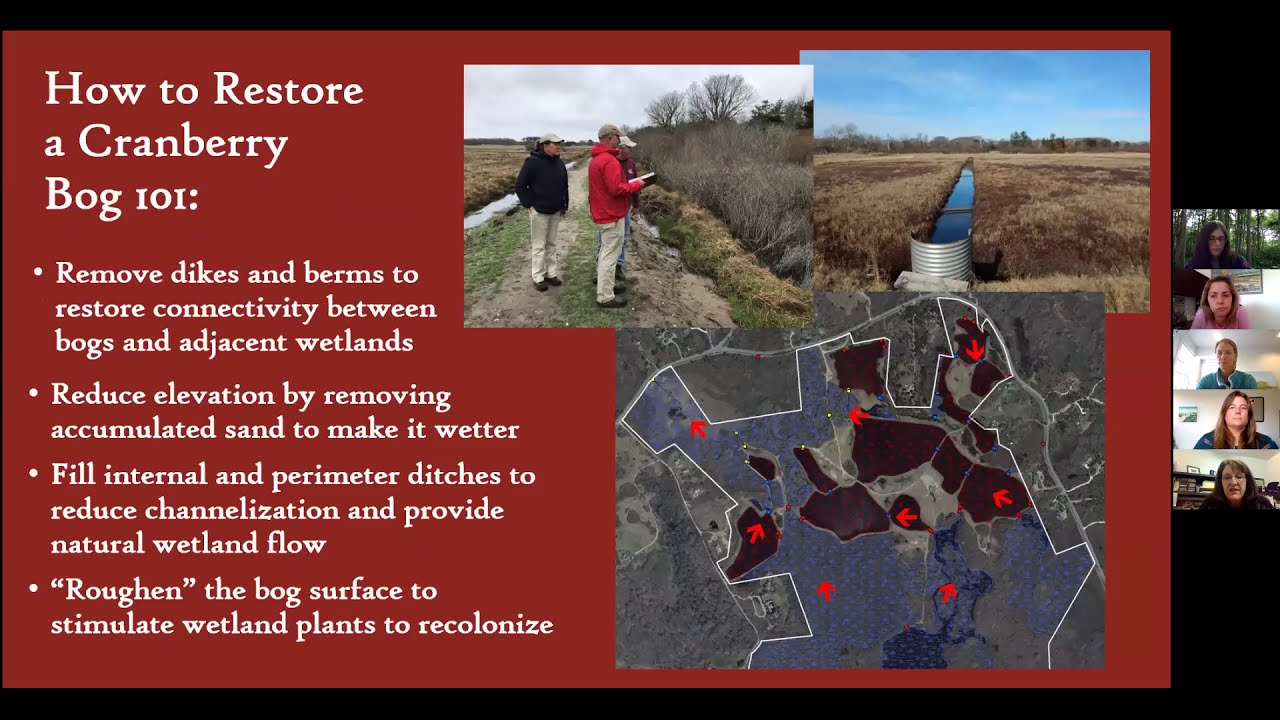
Neil Foley meets Karen Beattie in the westernmost bog at Windswept, where test plots are being run ahead of the full wetland restoration. She sets out the problem. The 14 separate bogs have to be reconnected into free-flowing wetland as they were before 1900, which means taking out the dikes and flumes, and it also means breaking through the sand. Growers spread a thin layer almost every year to stimulate the vines, and over decades it built up until it sealed the peat beneath off from the surface and the bogs began behaving like upland. The Massachusetts Division of Ecological Restoration has restored at least six bogs off-island by turning the surface over with a front-end loader, scoop by scoop, which works but is slow and expensive. The Foundation is testing cheaper alternatives on small plots — a harrow, a plow, and both together — laid out after a brainstorm between the science and land management departments, the plow being the land managers’ idea. Each plot is already coming back differently according to how deeply it was disturbed, and the ground was surveyed and photographed beforehand so the comparison can be made. Beattie also describes the standing arrangement behind the work: the science department recommends, the in-house crew carries out, which she says is unusual for a land trust.

Click Here to Watch
The Milestone Center Series
The Work Behind the Walk with Gerry Holmes

The Work Behind the Walk with Gerry Holmes

Gerry Holmes, the Foundation’s land use manager, on maintaining about 100 miles of trails with a team of eight. He describes trails growing in quickly and needing work year-round, particularly after storms, and the difference between an overgrown path and a cut one. He also says what the move to the Milestone Center will change for his crew: the ecology staff will be in the same building, so decisions about trail and habitat management can be made together.

Click Here to Watch
Year-Round Commitment, Year-Round Support with Coleman Miller and Alden Lentz

Year-Round Commitment, Year-Round Support with Coleman Miller and Alden Lentz

Alden Lentz, a land maintenance assistant, and Coleman Miller, the restoration and stewardship project manager, filmed at the Foundation’s staff housing. They describe the winter’s nor’easters, with gusts to 82 miles an hour that brought down and uprooted trees, and the clearing work that follows a storm. The Foundation has 25 full-time employees and more than half live in its housing. The Milestone Center will add housing for six of them.

Click Here to Watch
Caring for Coatue with Danielle O’Dell

Caring for Coatue with Danielle O’Dell

Danielle O’Dell, the Foundation’s director of research, filmed at the Coatue Ranger Shack. She says water now overflows the road at First Bend regularly and that a breach is the growing worry. The shack itself was moved back from the beach before it could fall into the harbor, and American beach grass was planted where it stood so the dunes can rebuild. She describes the ecology team’s work on Coatue as shorebird monitoring, habitat monitoring and coastal resilience, and says the Milestone Center will give it dedicated laboratory and office space.

Click Here to Watch
Nantucket Climate Change Summit
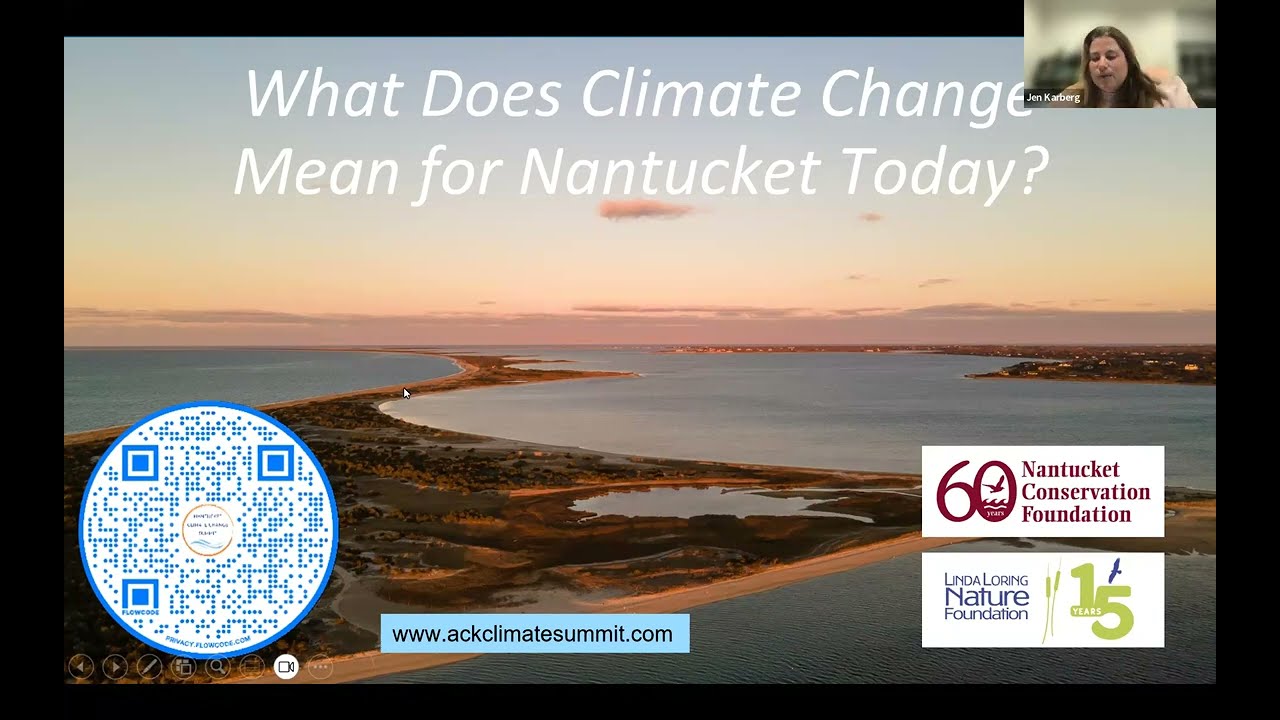
2026 Nantucket Climate Change Summit

2026 Nantucket Climate Change Summit

The 4th Annual Nantucket Climate Change Summit presented by the Nantucket Conservation Foundation and Linda Loring Nature Foundation. This year’s summit focuses on community-driven resilience. The topics include salt marsh restoration at Long Pond, the Massachusetts coastal flood risk model, the water-level sensors and community science project, how monitoring gets sustained financially, and how outreach reaches the residents most exposed to coastal hazards.

Click Here to Watch
Species & Habitat Guides
Nantucket Endangered Species

Nantucket Endangered Species

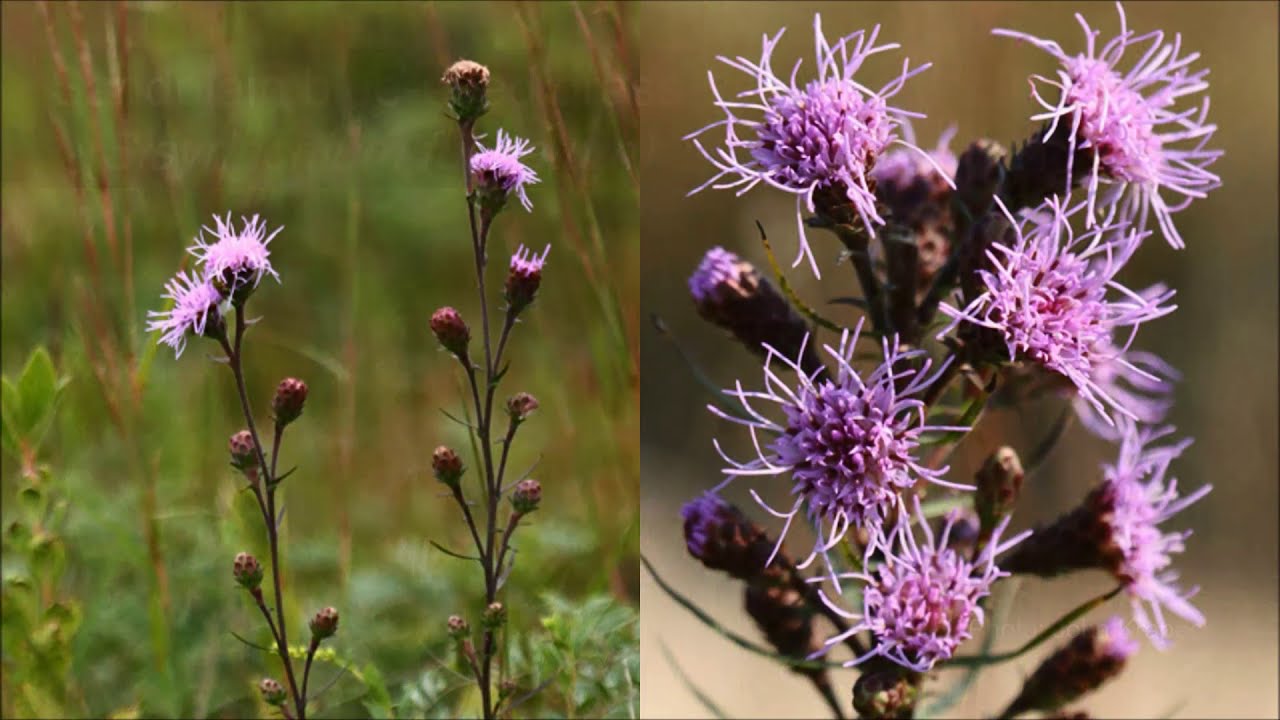
A virtual guide to rare plants and animals on Foundation land, opening with the claim that Nantucket holds one of the highest concentrations of rare and endangered species in Massachusetts. Eight are covered. Sandplain blue-eyed grass, an iris rather than a grass, and New England blazing star, which grows only in the northeastern states, are both found in the south shore grasslands and the middle moors. The American burying beetle, federally endangered, was reintroduced here by a partnership of the US Fish and Wildlife Service, Roger Williams Park Zoo, the Maria Mitchell Association and the Foundation; it can detect a carcass from two miles off and buries it to raise its young on. The rest are the chain dot geometer moth, piping plovers, which nest in bare scrapes in the sand, the northern harrier, which nests on the ground and hunts low with its wings held in a V, spotted turtles, which can live 40 years, and northern long-eared bats, hit elsewhere by white-nose syndrome but holding their own on the island.

Click Here to Watch
Squam Woodland Wildflower Presentation May 2020

Squam Woodland Wildflower Presentation May 2020

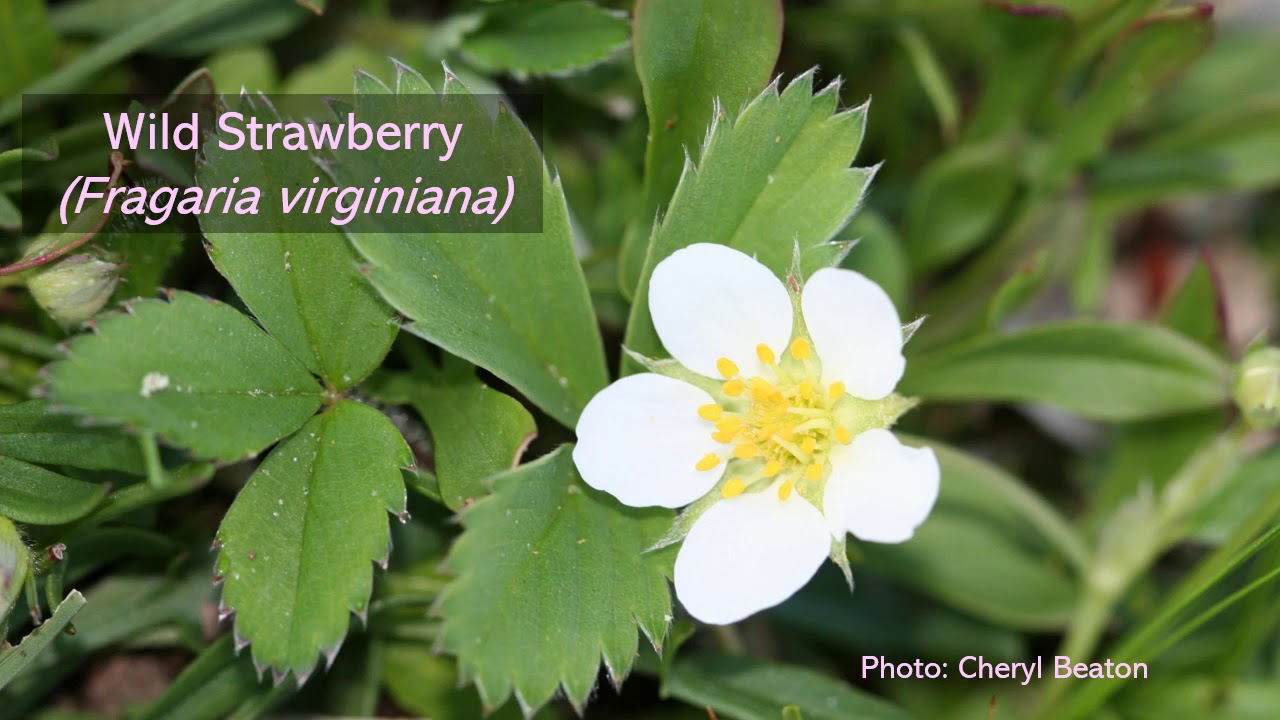
A short woodland wildflower walk at Squam Farm, made for people missing the Foundation’s guided walks. Seven species are shown with the features that identify them: wild cranesbill geranium, with five lavender petals and a seed capsule shaped like a bird’s bill; starflower, with an unusual seven-petalled white flower above a whorl of leaves; wild strawberry, which spreads by runners the way a spider plant does; old-field cinquefoil; wood anemone, one of the earliest to bloom, whose flowers flutter in any breeze; arrow-leaved violet, whose seeds carry a fatty structure that ants take home and then discard in a sand pile that suits the seed; and Canada mayflower, which comes up as a single rolled leaf and then unfurls.

Click Here to Watch
Turtles of Nantucket June 2020

Turtles of Nantucket June 2020

A guide to the island’s turtles from the science and stewardship staff. Five are covered: snapping turtles, which hide in muck and eat rather more aquatic plants than the name suggests; painted turtles, the common basking species; eastern box turtles, terrestrial and rare here, last sighted in 2019; sea turtles, which do not nest on Nantucket but strand cold-stunned on beaches in late autumn, from the small Kemp’s ridley to the leatherback; and spotted turtles, whose yellow spots form a pattern unique to each animal. The island’s spotted turtle population is called healthy, helped by abundant habitat and the absence of ground predators such as skunks and raccoons. Danielle O’Dell’s tracking work is shown — trapping, measuring, marking and fitting a small radio transmitter to the shell. The last section is what to do about a turtle crossing a road in May or June: pull over with hazards on, stay clear of the biting end, and carry it across in the direction it was already heading.

Click Here to Watch
Ram Pasture and HOP Wildflower Presentation June 2020

Ram Pasture and HOP Wildflower Presentation June 2020

A late-spring wildflower walk at Ram Pasture and Head of the Plains with Kelly Omand, the Foundation’s botanist and ecologist. June is peak bloom for the showiest species in the sandplain grassland and heathland there. Eight plants are covered with the detail needed to tell them apart: yellow star grass, a wildflower rather than a grass; sandplain blue-eyed grass, an iris, common in the island’s dry sand but rare on the mainland; pink lady’s slipper, which grows so short against the wind and salt spray that the flower can sit close to the ground; dwarf cinquefoil and its look-alike old-field cinquefoil; blue toadflax, one of the first plants to come up from seed on bare sand; yellow thistle, rare in the rest of New England, whose spiny bracts give it its species name and whose seeds goldfinches take for food and for lining nests; and a milkwort whose tiny magenta flowers resemble an orchid although it belongs to another family, and which blooms heavily after fire.

Click Here to Watch
Snakes of Nantucket July 2020

Snakes of Nantucket July 2020

Danielle O’Dell, an ecologist with the Foundation, marks World Snake Day with a guide to the island’s six snakes, starting with the question she is asked most. Her answer comes in two parts. Poison has to be absorbed, consumed or inhaled while venom is injected, so a snake is venomous or it is not, never poisonous; and all six species here are harmless to people. The six are the eastern garter snake, found in almost every habitat on the island and, unusually, almost never striped here; the eastern ribbon snake, semi-aquatic and a fast swimmer; the smooth green snake, rarely seen and restricted to the red cedar woodlands of Coatue; the eastern milk snake, taken for a copperhead at a glance and named for an old belief that it milked cows when it was really after the rats and mice around barns; the northern water snake, the largest here and the readiest to strike; and the northern ringneck snake, slate gray with an orange collar, which she names as her favorite.

Click Here to Watch
Shorebirds of Nantucket July 2020

Shorebirds of Nantucket July 2020

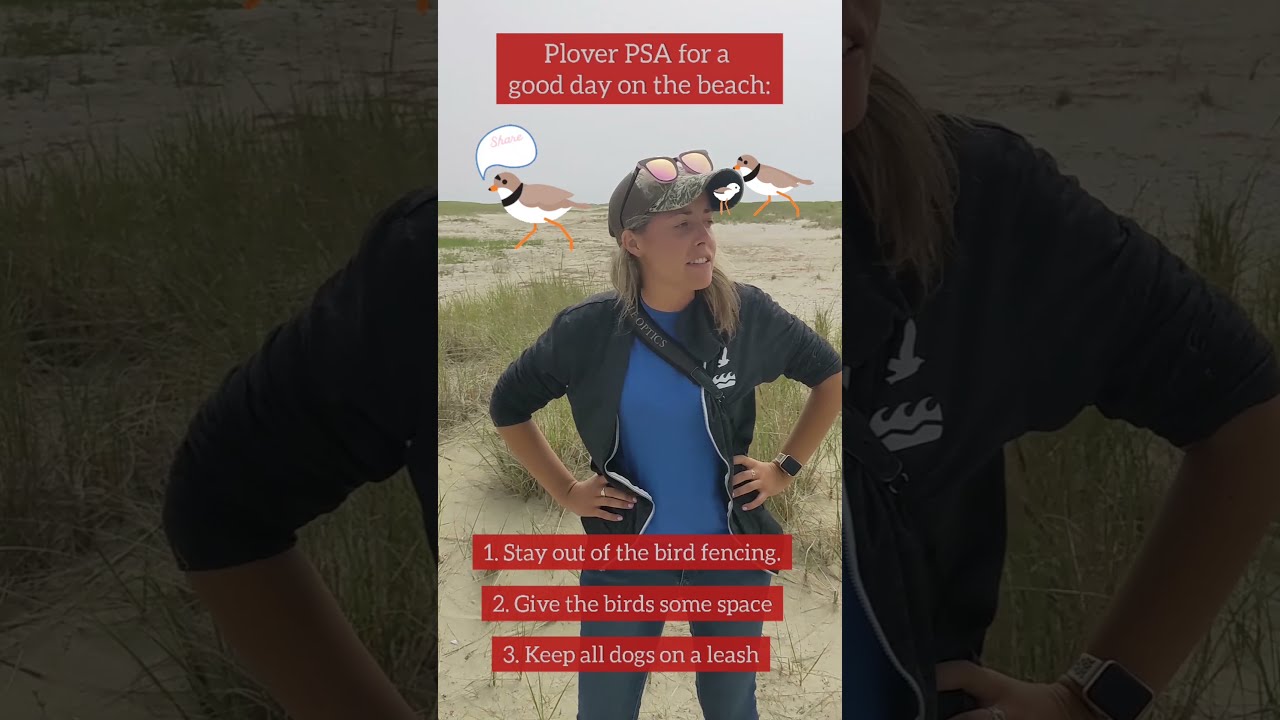
Libby Buck, an ecological research technician with the Foundation, introduces the beach-nesting birds its properties protect and the warning each gives when you are too close. Piping plovers, threatened at state and federal level, lay up to four eggs in a scrape in the sand that they sometimes decorate with shells; the adult calls, then feigns a broken wing to draw a predator away. Least terns and common terns nest in colonies and defend them collectively, dive-bombing, mobbing and defecating on an intruder. American oystercatchers lay three eggs in a sand scrape or on cobble, and call and run rather than lead anything back to the nest. Coatue is described as holding one of the highest breeding populations of oystercatchers in the state, and the Foundation has banded birds with the American Oystercatcher Working Group since 2005 — a study that has found birds living up to 20 years, with some Nantucket birds reported from Ecuador and Honduras. It closes on how to share the shore: respect the fencing and the closures, leash dogs, and report a defensive display where there is no fencing, since it may mean a new nest.

Click Here to Watch
Evergreen Exploration Activity for the Nantucket Science Festival

Evergreen Exploration Activity for the Nantucket Science Festival

Neil Foley’s video companion to an activity made for the 2021 Nantucket Science Festival, which the Maria Mitchell Association runs. He explains the difference between deciduous and evergreen trees and why an evergreen keeps its leaves: winter is dry, new foliage in spring costs a great deal of water and energy, and thick waxy needles conserve both while still producing energy through the cold. He then walks the grounds of the field station on Polpis Road, where all three of the island’s evergreens grow together. Red cedar has scaly needles in tangled bunches, a lollipop shape where deer have browsed the lower branches, and berry-like cones that birds feed on through the winter. Pitch pine has long needles in bundles called fascicles, whose count helps tell one pine from another, and cones that open at certain temperatures. American holly has broad leathery leaves with spines sharp enough to keep deer off its lower branches, and red berries on the female trees. It ends by setting the viewer a botany survey of their own street.

Click Here to Watch
Talks, Summits & Symposia
NCF Salt Marsh Symposium

NCF Salt Marsh Symposium

An evening of salt marsh research recorded by NCTV at the Atheneum, with presentations from Dr. Jen Karberg, Jisun Reiner, Bradley Morgan and Coleman Miller. Karberg, the Foundation’s director of research and partnerships, opens with what the coastal ecology program does and why salt marshes matter, including evidence that marsh in front of upland significantly reduces storm damage to property, and explains the straight ditches cut through the island’s marshes by the Civilian Conservation Corps in the 1930s. Morgan presents work from 2023 on the effect of an intertidal oyster reef, including survey results that found a greater number of individual organisms at the reference site, and how the reef may carry sediment further into the marsh where it can build up. Another strand covers sediment traps set at one, five, ten and forty meters from the creek edge along several transects, and the accumulation rates each returned. Questions follow, among them one about the cedar trees at Second Point.

Click Here to Watch
Community Meeting on Coskata-Coatue Resilience Efforts

Community Meeting on Coskata-Coatue Resilience Efforts

A public meeting run jointly by the Foundation and The Trustees, who co-manage the Coskata-Coatue Wildlife Refuge, with their consultants GZA presenting. The two most vulnerable sites are Coskata Pond and the Haulover, both exposed to flooding, erosion and a possible breach that would let water move freely between Nantucket Harbor and the Atlantic. The Haulover breached once before, in the late 1800s, and took twelve or thirteen years to close. The consultants set out the principles they worked to — small, localized, nature-based measures rather than hard structures, which they say have proved ineffective and unsustainable on this coastline — and then the options, with flood maps keyed to mean high water for present conditions, for about 2040 and for a two-foot rise. The measures discussed include raising sections of trail above mean higher high water so over-sand vehicle access can continue, rebuilding dunes, and setting oyster castles or reef balls offshore as wave attenuators, to break waves in shallower water before they reach the shore. Questions are taken throughout.

Click Here to Watch