Pond Coalition & Egan Maritime Partnership
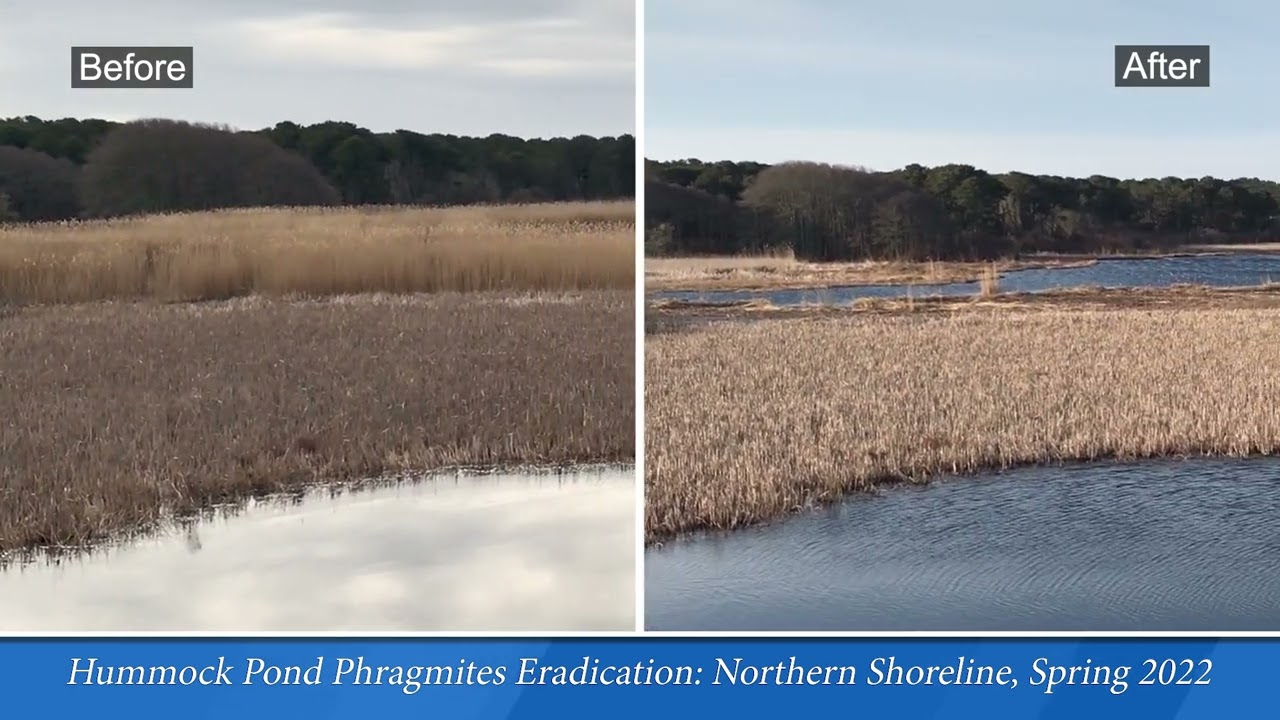
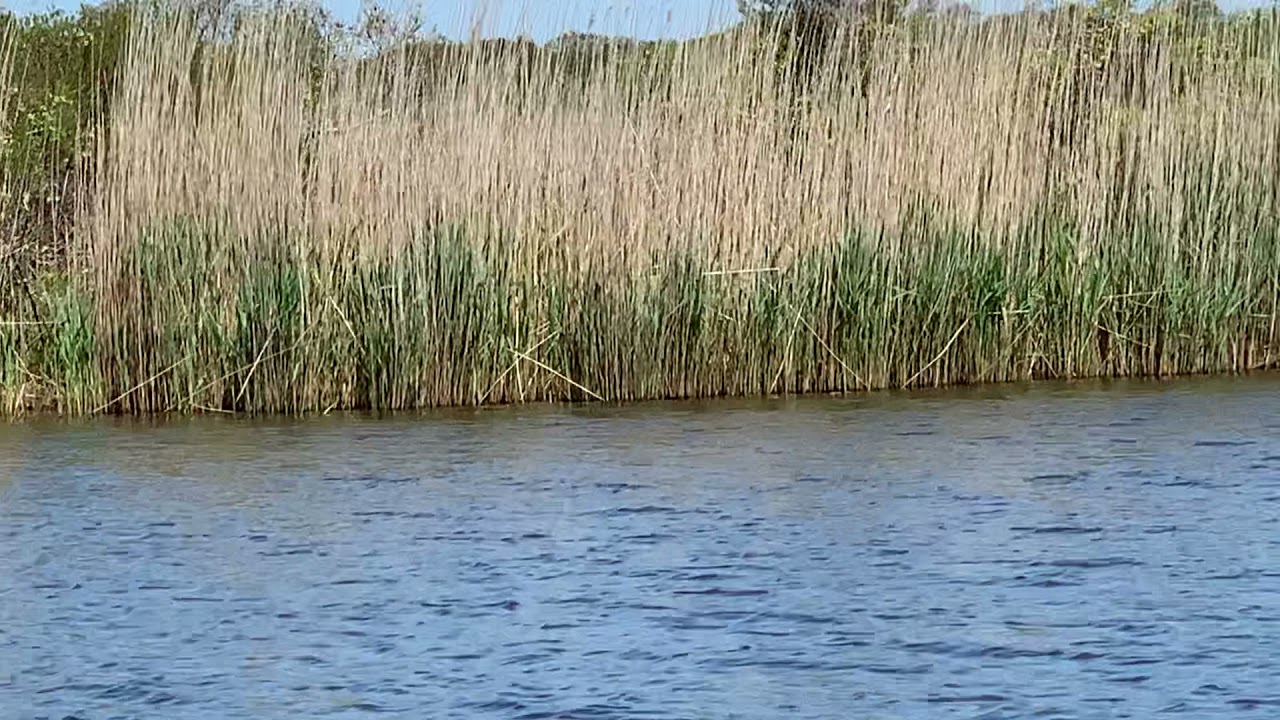
Made with the Egan Maritime Institute for an oceanography unit in the island’s middle school, and built around the question the students were set to debate: should Nantucket work to restore its ponds and wetlands to their original state. It opens on the geology — the eighty-odd named ponds were cut by the Laurentide glacier twelve thousand years ago and took their present shape about six thousand years ago, when the rising sea made Cape Cod and the islands — and on why restoration cannot wait: explosive population growth has pushed eutrophication forward by decades, and there is enough phosphorus and nitrogen on the pond bottoms now that sewering and fertilizer management alone will not undo it. The team then introduce themselves and their part in the work. The teacher and Egan Maritime’s education manager explain why water quality is the students’ problem to inherit. The Land Bank’s environmental and agricultural coordinator describes the Consue Springs marsh restoration, where phragmites more than fourteen feet tall will be sprayed from an amphibious Marsh Master and the dead stems cut each November for three to five years. The Land Council’s executive director covers ten years of sampling the smaller ponds for harmful algal blooms and the phosphorus that feeds them. The town’s water resource specialist covers the monitoring of streams, harbors and great ponds. Bob Williams closes on the heavy equipment the Coalition brings in: the aquatic harvester that took more than thirty thousand pounds of vegetation out of Hummock Pond, and the Marsh Master that treats and mulches the shorelines so a pond edge has a chance to heal.
Click Here to Watch